
In our outdoor lighting factory, the core value of the ISO9001 quality system lies in the process-based collaborative efforts among all departments. From material arrival to finished product delivery, the seamless connection of responsibilities across each stage is the key pathway through which we translate quality standards into tangible production efficiency.
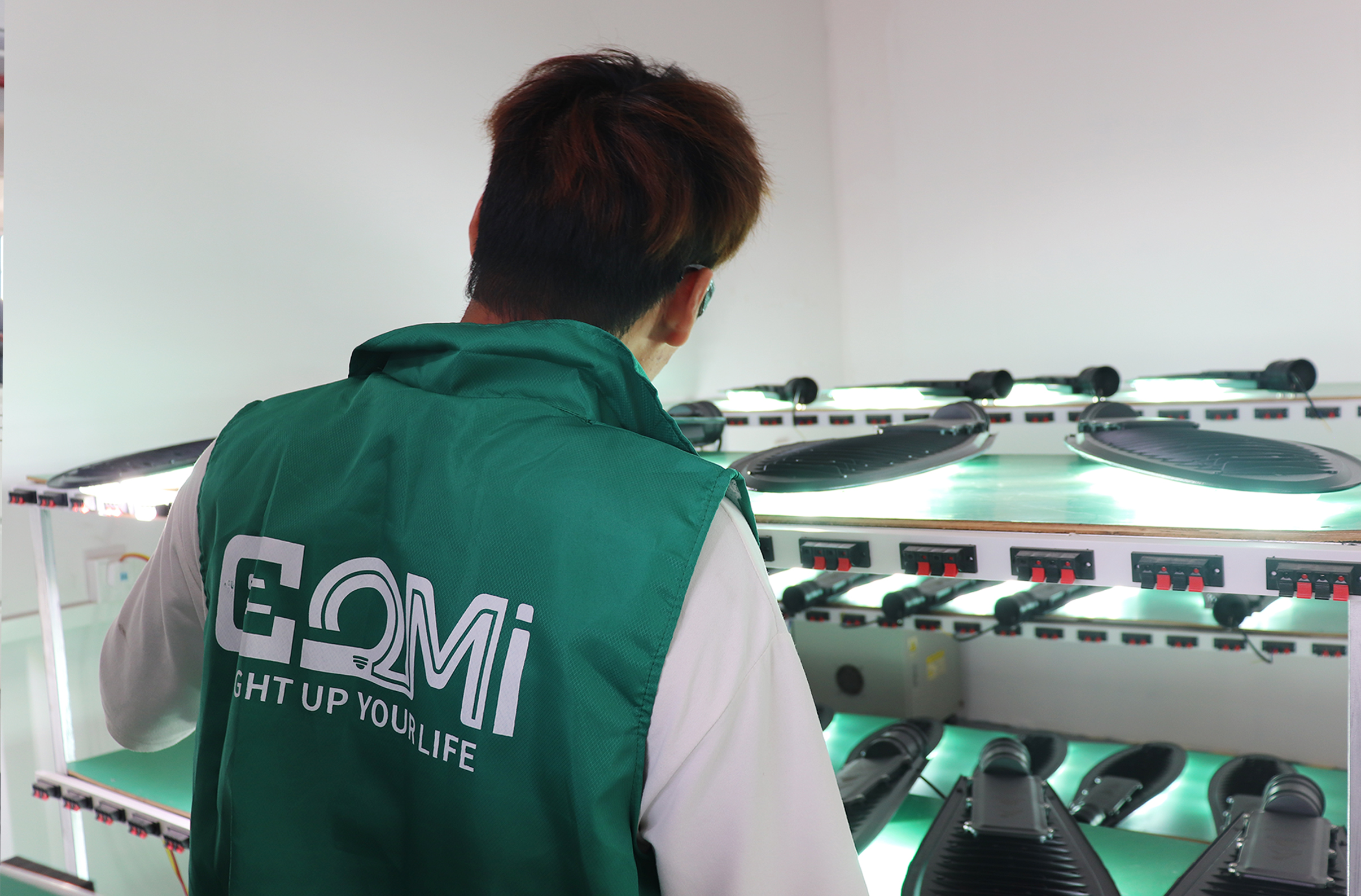
I. Incoming Material Quality Control: Strengthening Quality Assurance at the Supply Chain End
After materials arrive at the factory, the warehouse department first verifies the quantity and specifications, places the materials in the pending inspection area, and simultaneously submits an inspection request. The Incoming Quality Control (IQC) team from the Quality Department conducts sampling inspections according to established standards, verifying performance indicators such as LED chips and lamp housings. Qualified materials are labeled and stored in the warehouse, while non-conforming materials are documented in an exception report. The Purchasing Department coordinates with suppliers for returns or replacements. For urgent production needs, the Purchasing Department leads a risk assessment involving the Production and Quality departments. Materials approved through this process may be temporarily released, ensuring timely delivery while preventing quality risks from propagating to the production stage.
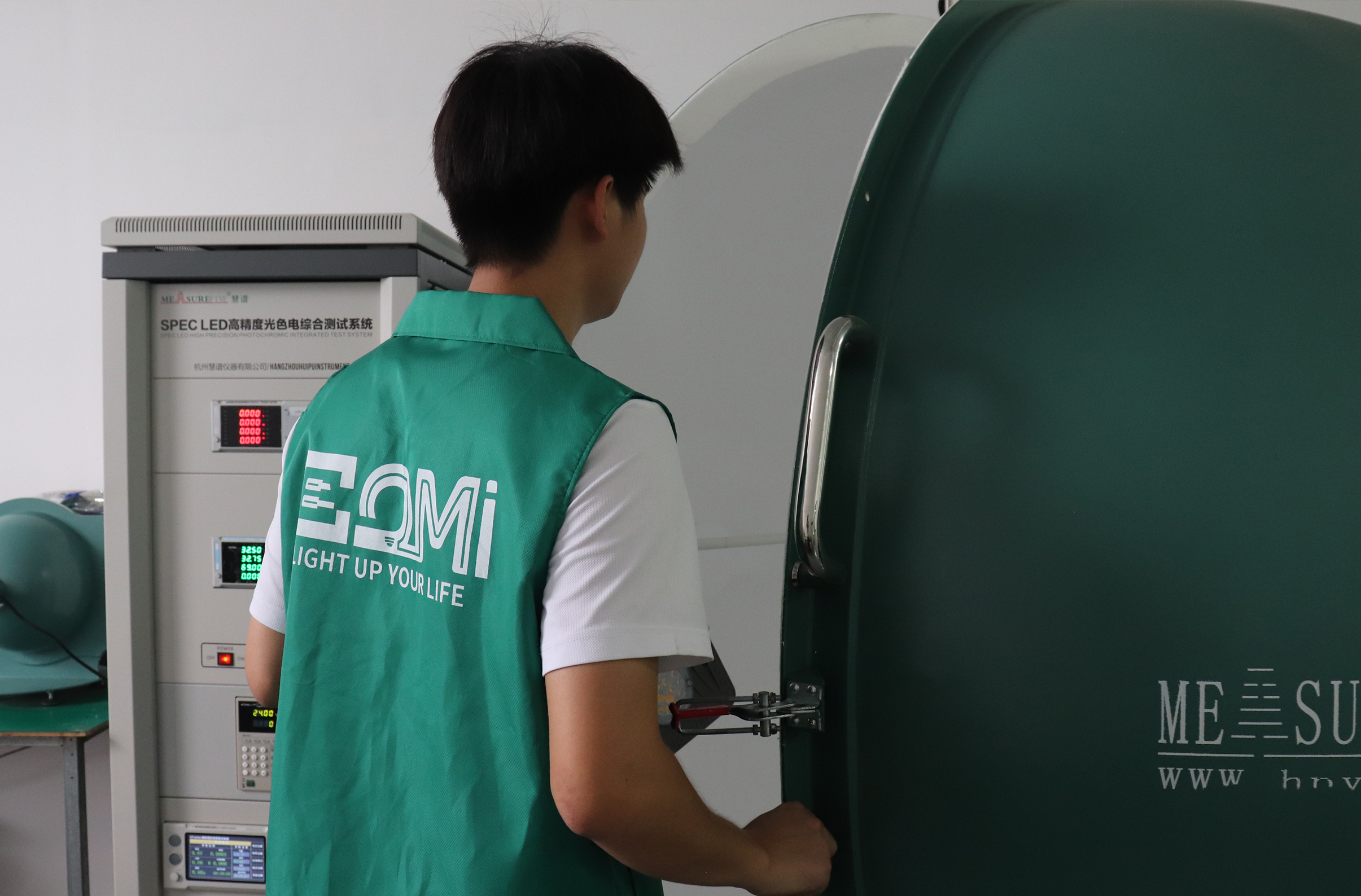
II. Production Preparation Stage: Enhancing Pre-Production Quality Assurance for Batch Manufacturing
After order initiation, the Production Department completes material requisition, equipment calibration, and operator training, producing the first sample according to process requirements. The In-Process Quality Control (IPQC) team from the Quality Department, in collaboration with the Technical Department, conducts a comprehensive validation of the first sample, including process parameters, welding precision, and waterproof performance. Batch production commences only after the first sample passes validation. If any anomalies are detected in the first sample, the Technical Department quickly identifies issues related to processes or equipment and develops optimization measures. The Production Department implements adjustments and reproduces the first sample until validation is successful—this step is a critical preventive action to avoid batch quality issues.
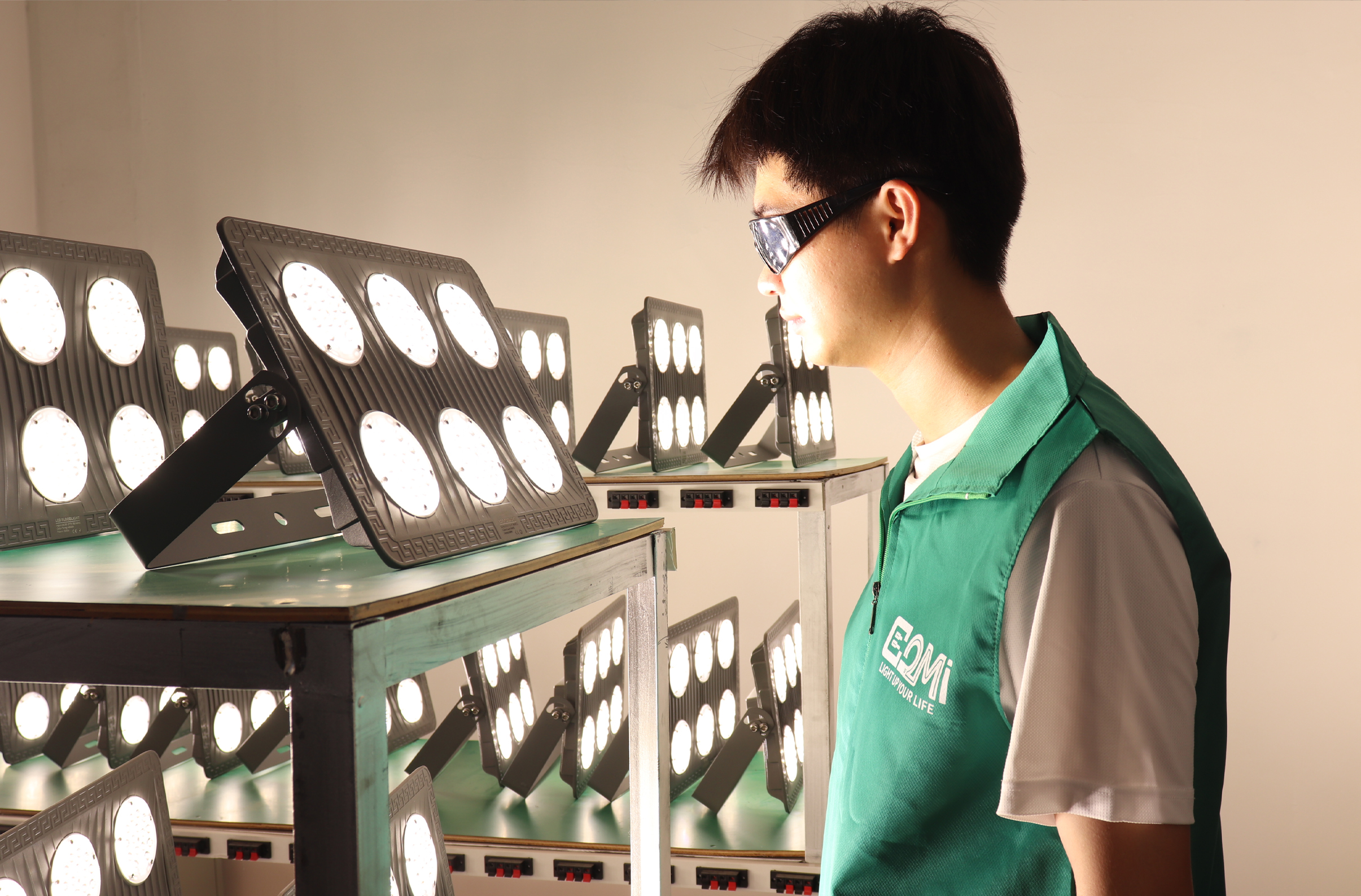
III. Production Process Control: Establishing Dual Quality Barriers for In-Process and Finished Products
During batch production, the Production Department strictly adheres to standardized operating procedures, with operators at each step performing self-inspections to ensure intermediate products meet quality standards. The IPQC team conducts regular inspections of key processes according to predefined plans, dynamically monitoring process execution and equipment parameters. If any abnormalities are detected, an in-process correction procedure is immediately initiated, and production resumes only after the issues are resolved. After finished products are completed, the Final Quality Control (FQC) team from the Quality Department performs full-item inspections based on sampling standards, covering appearance, functionality, packaging, and other dimensions. Qualified products are released for storage, while non-conforming products are reworked by the Production Department and re-inspected, achieving final-stage quality interception.
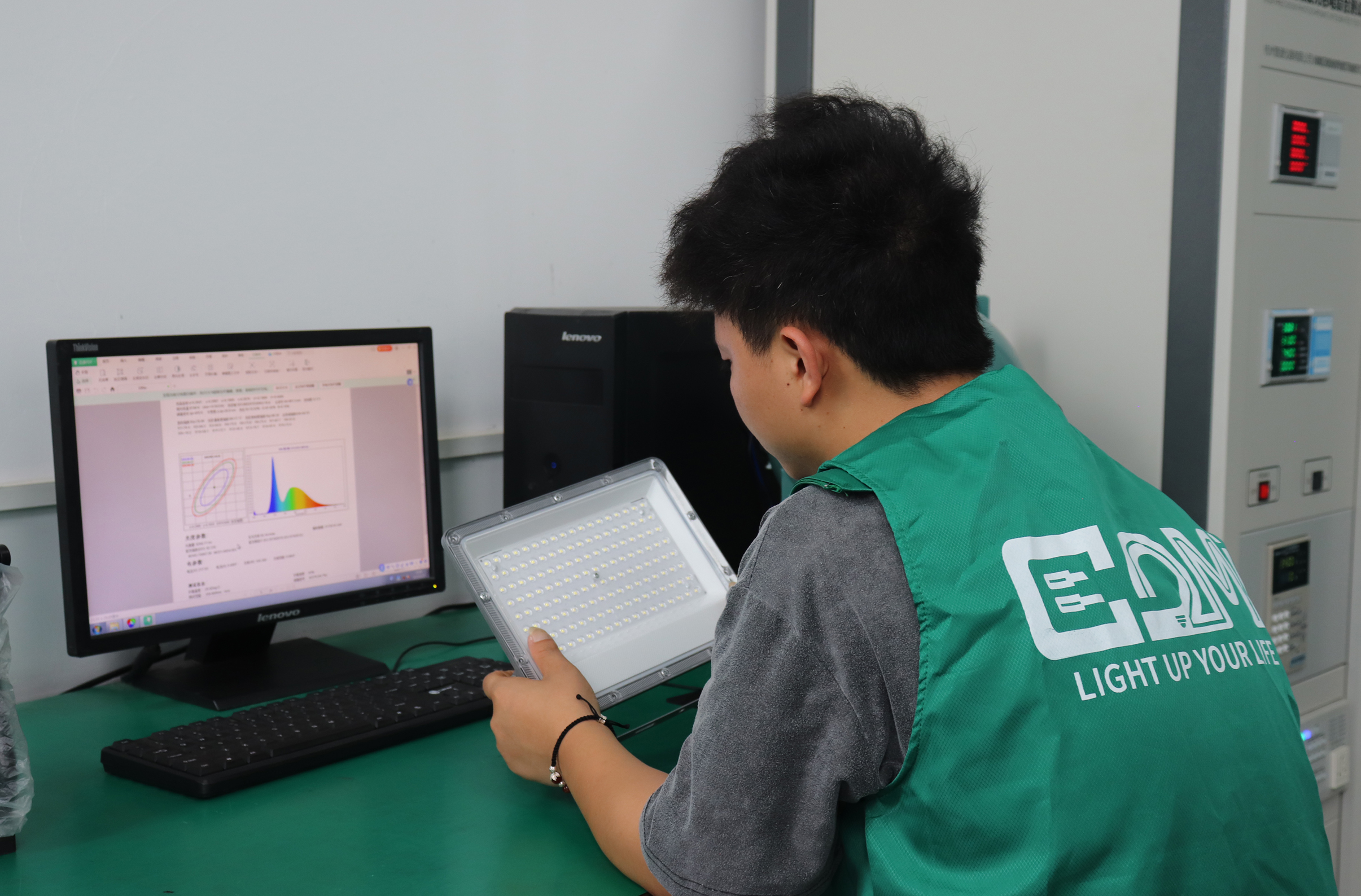
IV. Quality Exception Closure: Promoting Continuous Improvement Across the Entire Process
For quality exceptions in incoming materials, production processes, or finished products, all departments collaborate to close the loop: the Purchasing Department tracks and verifies the effectiveness of supplier corrective actions while updating the approved supplier list; the Technical Department optimizes process standards, and the Production Department implements adjustments to operating procedures; the Quality Department incorporates improvement measures into system documents and monitors their execution in subsequent production. All exception handling processes are documented in "Corrective and Preventive Action Reports," ensuring long-term prevention of similar issues and driving continuous optimization of the quality system—this embodies the practical implementation of the ISO9001 principle of "continuous improvement."
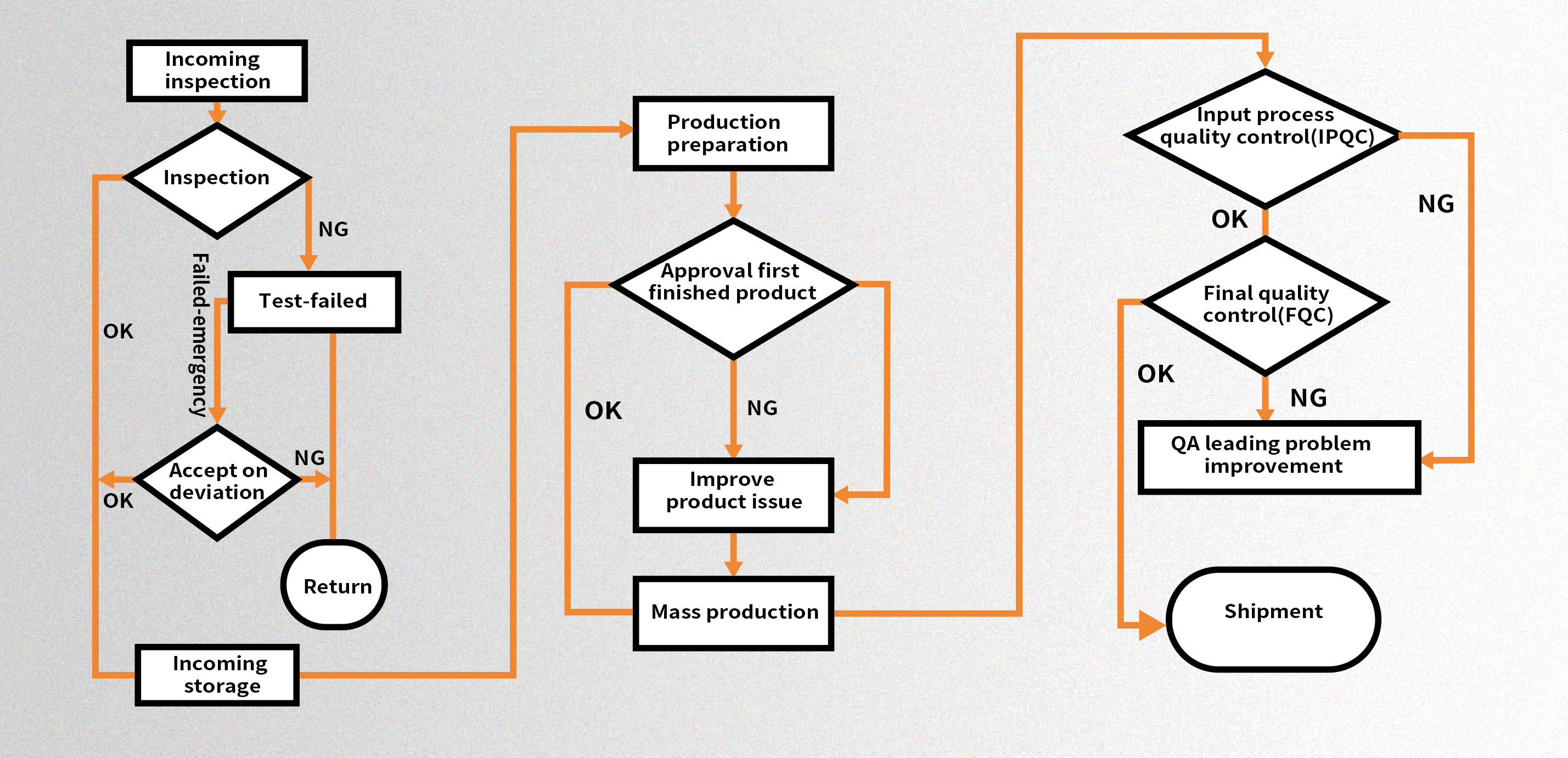
In our quality system, interdepartmental collaboration is not an isolated effort: the warehouse's pending inspection management forms the foundational step for quality inspections; the production of the first sample serves as the core vehicle for quality validation; and quality exception feedback provides critical insights for technical optimization. Through this interconnected mechanism, the quality of our outdoor lighting products remains stable, and the quality system achieves deep integration from "regulatory requirements" to "production practices."
 EN
EN