
I’m Old Zhou from the workshop, and I’ve been assembling LED streetlights for five years. People often ask if ISO9001 is just "for show." I always point to the workflow in front of me—from collecting materials to shipping, every step follows a standard. This is our daily routine.
Material Collection: Materials Come with "Proof"
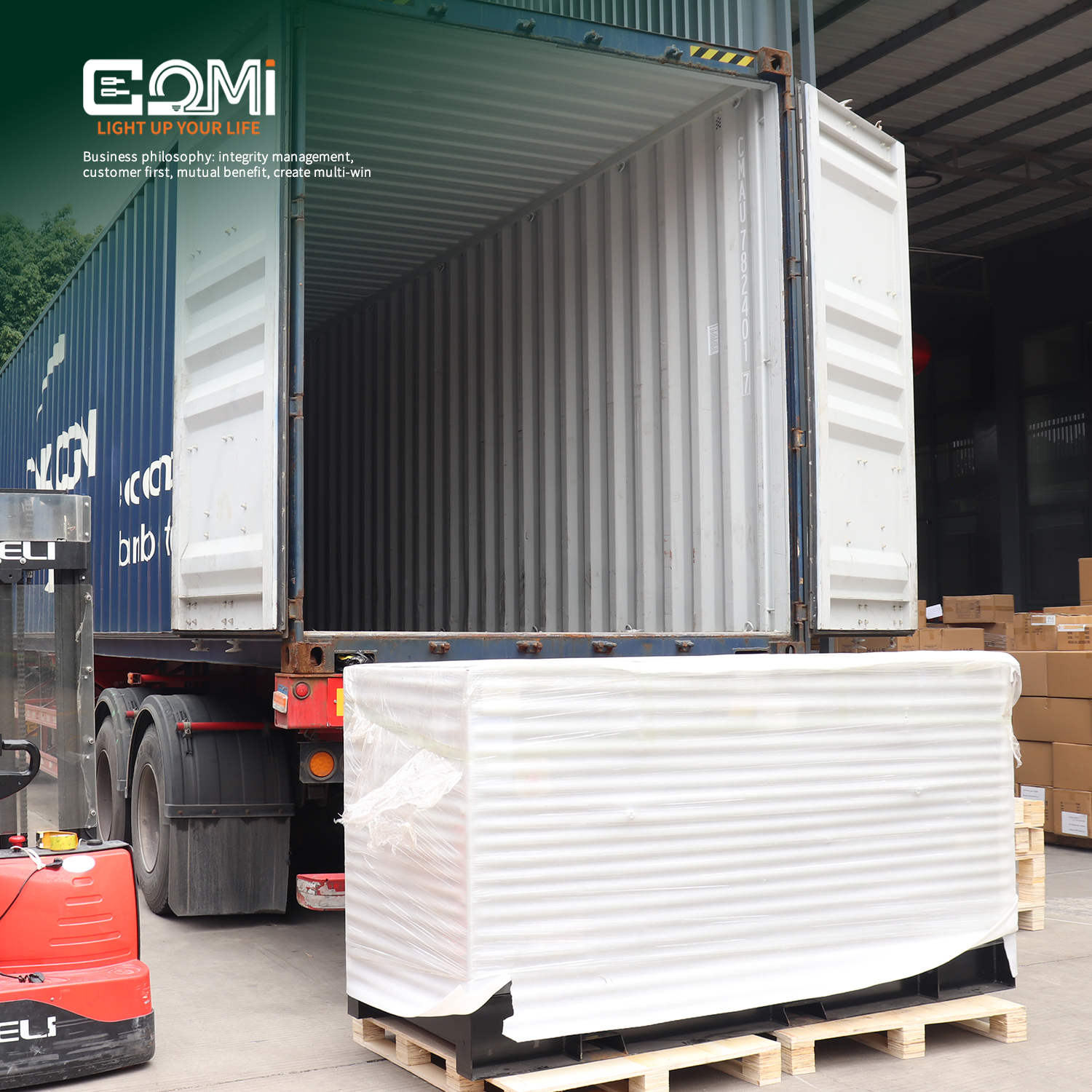
I go to the warehouse with a Material Requisition Form. Each material comes with its source batch and inspection records—scanning the code pulls up the qualification report. I sign off with the warehouse keeper to clarify responsibility. The purpose of this step is to prevent non-conforming materials from entering the production line at the source, and it’s a core reflection of the ISO9001 requirement for "traceability."
Starting Work: First Sample Approved Before Mass Production
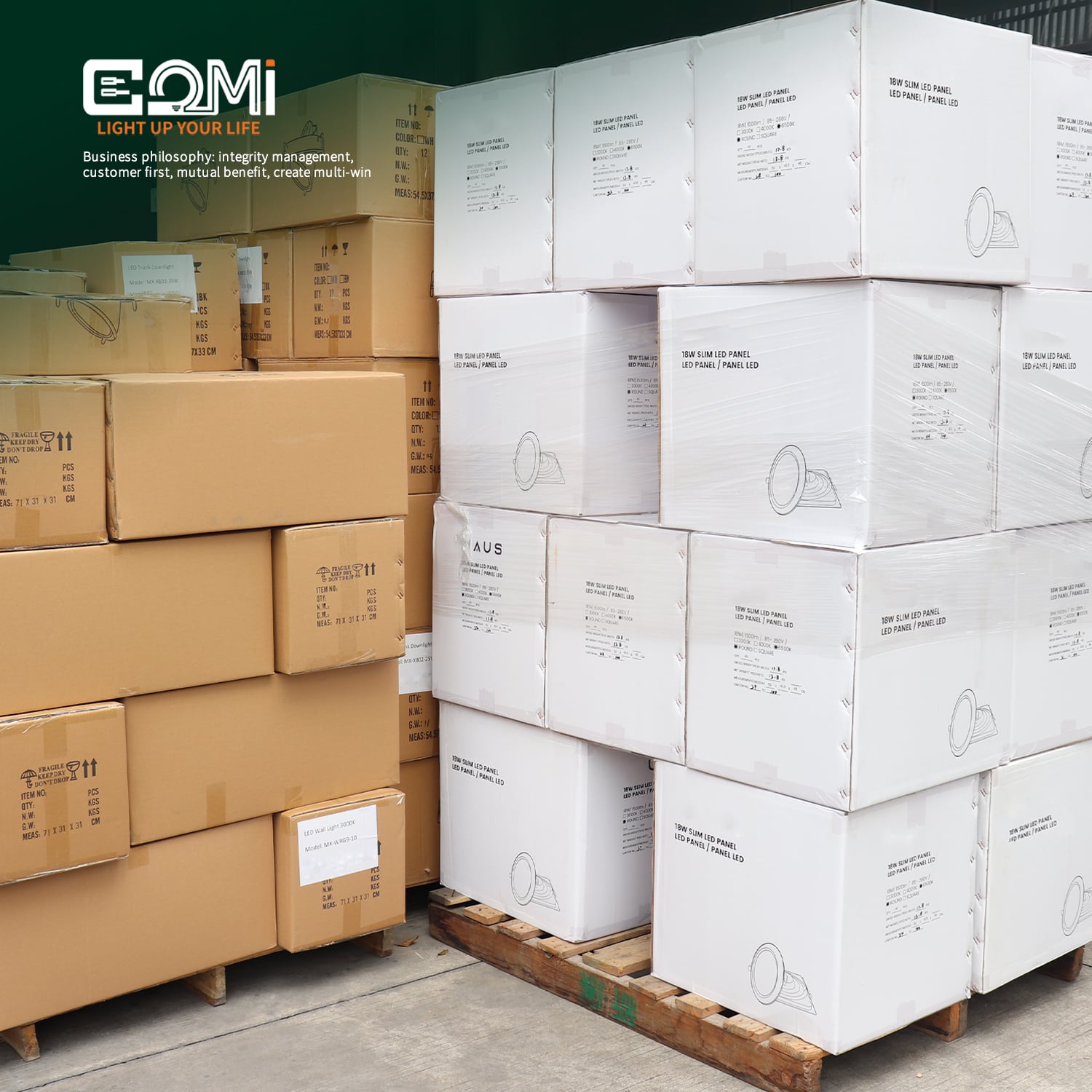
First, I adjust the equipment parameters according to the work instructions and make one sample for quality control inspection. Batch production only begins after the sample meets all parameters, passes performance tests, and gets signed off. Doing this helps identify equipment or process issues early, avoiding large-scale rework. It’s a key step in preventing quality risks.
Production: Keeping "Records" for Each Step
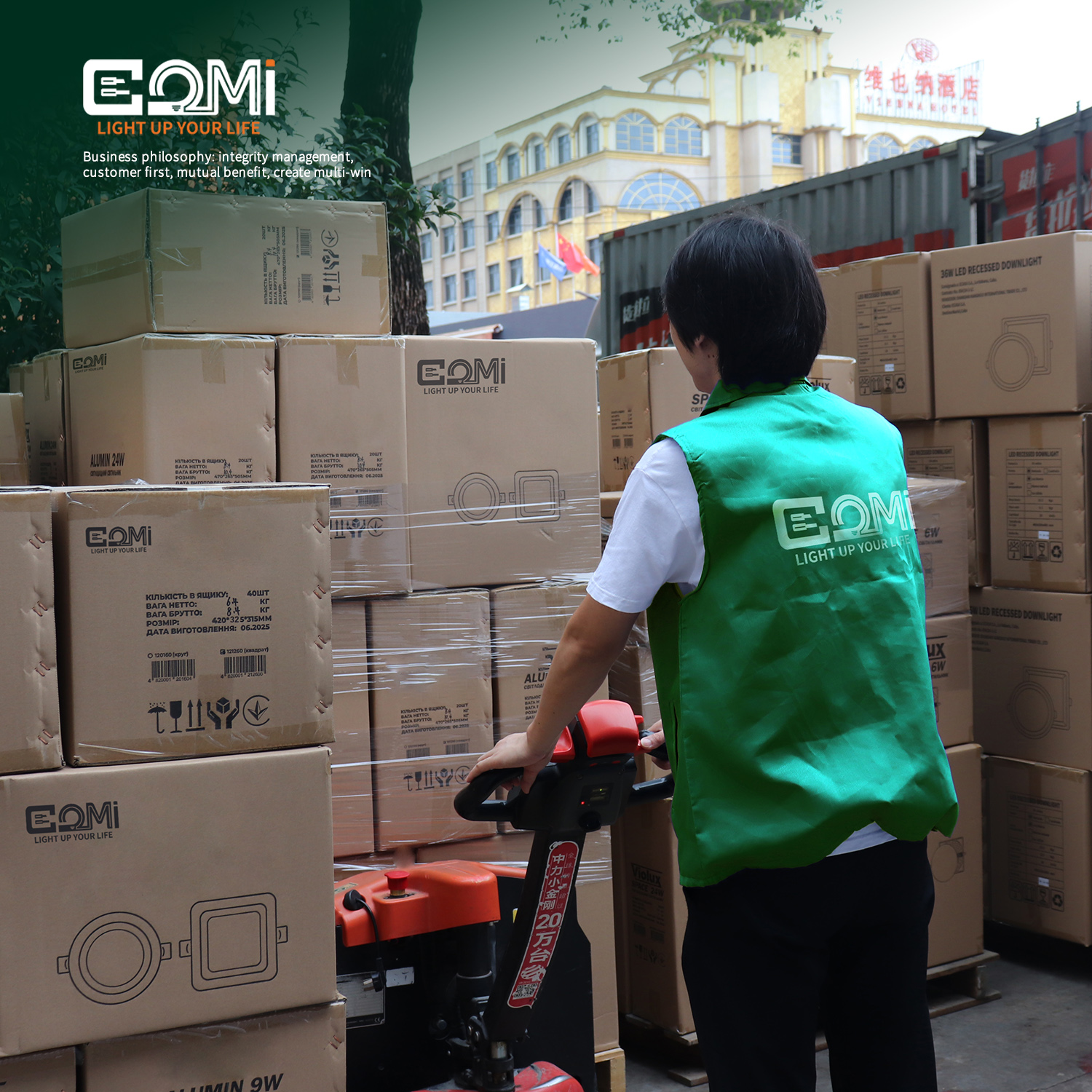
Throughout assembly, I follow the standardized procedures. After completing each step, I check it off in real-time and record it. If minor issues arise, I fix them immediately and note the reason. Quality control conducts regular spot checks, and the technical department also incorporates practical suggestions from us for process optimization. This approach not only documents the production process clearly but also continuously improves workflow efficiency.
Quality Inspection: Approval Before "Release"
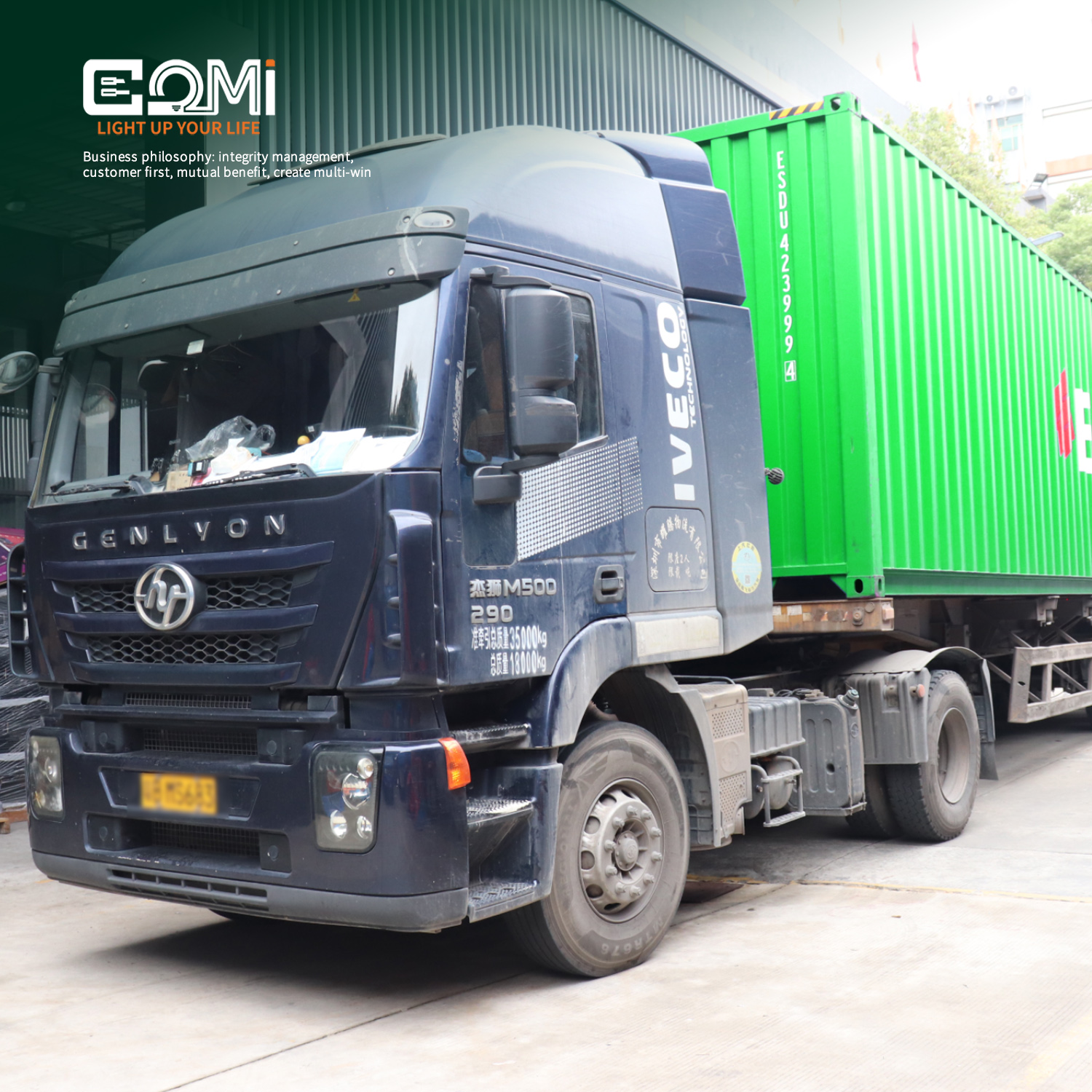
Finished products must go through final inspection. Qualified ones are labeled with a unique traceability code and stored; non-conforming ones are isolated for rework and re-inspected afterward. The traceability code links to full-process information, ensuring every light delivered to the customer meets standards. Even if issues arise, the root cause can be quickly traced.
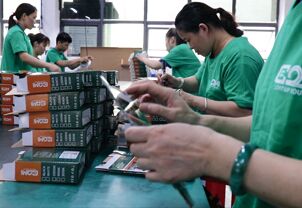
Outbound Process: "Verification" of Records and Goods
Together with the warehouse keeper, I check quantities against the Storage In Record and verify that production logs and quality reports align. Once confirmed, the data is entered into the system. This step ensures consistency between records and physical goods, preventing shipping errors or omissions and laying a solid foundation for subsequent delivery.
Logistics: "Guaranteed" Delivery
The logistics team picks up goods with a Shipping Order. We from the workshop assist in verifying models and quantities and help reinforce packaging to prevent damage during transit. The shipping order includes the traceability code, allowing customers to quickly verify details upon receipt and ensuring end-to-end quality control from factory to customer.
ISO9001 is never just a certificate on the wall—it’s embedded in the practical value of verifying materials, inspecting first samples, and meticulous record-keeping. Every standardized step is taken to ensure our products withstand scrutiny and give customers peace of mind.
 EN
EN