Alle Kategorien

Unsere tägliche Arbeit im Rahmen des ISO9001-Qualitätssystems

2025-12-02

Ich bin Old Zhou aus der Werkstatt und montiere seit fünf Jahren LED-Straßenleuchten. Häufig wird mich gefragt, ob ISO9001 nur 'zur Schau' dient. Ich verweise dann immer auf den Arbeitsablauf vor mir – von der Materialbeschaffung bis zum Versand folgt jeder Schritt einer Norm. Das ist unsere tägliche Routine.
Our Daily Work Under the ISO9001 Quality System-1

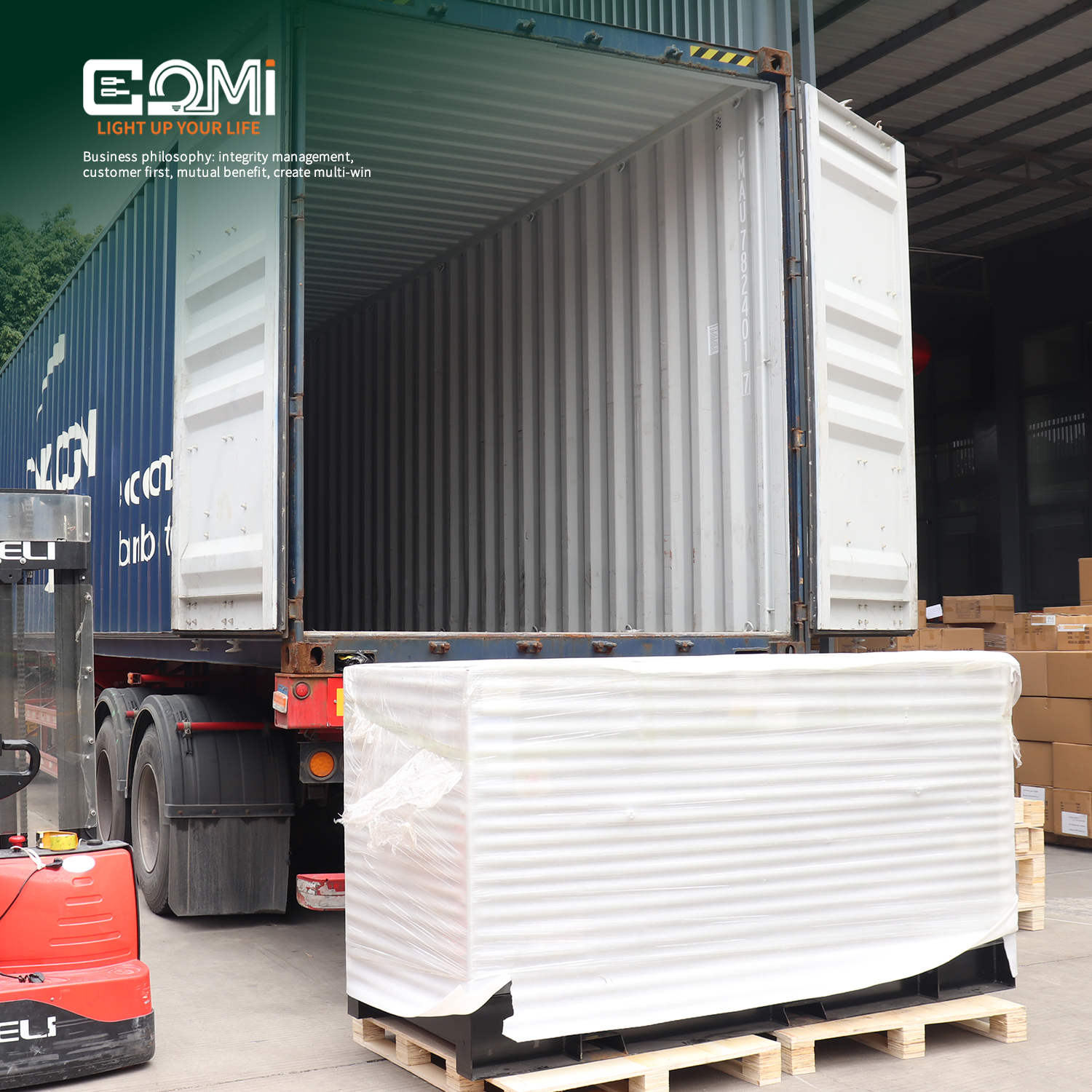
Materialbeschaffung: Materialien kommen mit 'Nachweis'
Ich gehe mit einem Materialanforderungsschein zum Lager. Jedes Material wird mit seiner Herkunftscharge und den Prüfprotokollen bereitgestellt – durch Scannen des Codes wird der Qualifizierungsbericht angezeigt. Ich bestätige gemeinsam mit dem Lagerverwalter die Übergabe, um die Verantwortlichkeit klarzustellen. Der Zweck dieses Schritts besteht darin, nicht konforme Materialien bereits an der Quelle daran zu hindern, in die Fertigungslinie zu gelangen, und spiegelt zentral die ISO9001-Anforderung der „Rückverfolgbarkeit“ wider.
Our Daily Work Under the ISO9001 Quality System-2

Arbeitsbeginn: Erstes Muster vor Serienproduktion freigegeben
Zuerst stelle ich die Geräteparameter gemäß den Arbeitsanweisungen ein und fertige eine Probe zur Qualitätsprüfung an. Die Serienproduktion beginnt erst, nachdem die Probe alle Parameter erfüllt, die Leistungstests bestanden hat und freigegeben wurde. Dadurch können frühzeitig Probleme mit der Ausrüstung oder dem Prozess erkannt werden, wodurch umfangreiche Nacharbeit vermieden wird. Dies ist ein entscheidender Schritt zur Vermeidung von Qualitätsrisiken.
Starting Work: First Sample Approved Before Mass Production

Produktion: Für jeden Arbeitsschritt „Nachweise“ führen
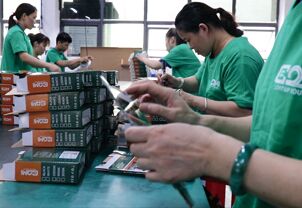
Während der Montage halte ich mich an die standardisierten Verfahren. Nach Abschluss jedes Arbeitsschritts hake ich diesen zeitnah ab und dokumentiere ihn. Falls geringfügige Probleme auftreten, behebe ich sie sofort und notiere den Grund. Die Qualitätskontrolle führt regelmäßige Stichproben durch, und die technische Abteilung berücksichtigt zudem unsere praktischen Vorschläge zur Prozessoptimierung. Dadurch wird der Produktionsablauf nicht nur klar dokumentiert, sondern auch die Effizienz des Workflows kontinuierlich verbessert.
me—from collecting materials to shipping, every step follows a standard. This is our daily routine.  Our Daily Work Under the ISO9001 Quality System-1  Material Collection: Materials Come with "Proof" I go to the warehouse with a Material Requisition Form. Each material comes with its source batch and inspection records—scanning the code pulls up the qualification report. I sign off with the warehouse keeper to clarify responsibility. The purpose of this step is to prevent non-conforming materials from entering the production line at the source, and it’s a core reflection of the ISO9001 requirement for "traceability."  Our Daily Work Under the ISO9001 Quality System-2  Starting Work: First Sample Approved Before Mass Production First, I adjust the equipment parameters according to the work instructions and make one sample for quality control inspection. Batch production only begins after the sample meets all parameters, passes performance tests, and gets signed off. Doing this helps identify equipment or process issues early, avoiding large-scale rework. It’s a key step in preventing quality risks.  Starting Work: First Sample Approved Before Mass Production  Production: Keeping "Records" for Each Step

Qualitätsinspektion: Freigabe vor „Freigabe“
Fertige Produkte müssen die endgültige Inspektion durchlaufen. Genehmigte Artikel werden mit einem eindeutigen Rückverfolgbarkeitscode gekennzeichnet und eingelagert; nicht konforme Artikel werden zur Nacharbeit gesondert behandelt und anschließend erneut geprüft. Der Rückverfolgbarkeitscode ist mit Informationen aus dem gesamten Prozess verknüpft und gewährleistet, dass jede an den Kunden gelieferte Leuchte den Anforderungen entspricht. Selbst bei auftretenden Problemen kann die Ursache schnell zurückverfolgt werden.
me—from collecting materials to shipping, every step follows a standard. This is our daily routine.  Our Daily Work Under the ISO9001 Quality System-1  Material Collection: Materials Come with "Proof" I go to the warehouse with a Material Requisition Form. Each material comes with its source batch and inspection records—scanning the code pulls up the qualification report. I sign off with the warehouse keeper to clarify responsibility. The purpose of this step is to prevent non-conforming materials from entering the production line at the source, and it’s a core reflection of the ISO9001 requirement for "traceability."  Our Daily Work Under the ISO9001 Quality System-2  Starting Work: First Sample Approved Before Mass Production First, I adjust the equipment parameters according to the work instructions and make one sample for quality control inspection. Batch production only begins after the sample meets all parameters, passes performance tests, and gets signed off. Doing this helps identify equipment or process issues early, avoiding large-scale rework. It’s a key step in preventing quality risks.  Starting Work: First Sample Approved Before Mass Production  Production: Keeping "Records" for Each Step Throughout assembly, I follow the standardized procedures. After completing each step, I check it off in real-time and record it. If minor issues arise, I fix them immediately and note the reason. Quality control conducts regular spot checks, and the technical department also incorporates practical suggestions from us for process optimization. This approach not only documents the production process clearly but also continuously improves workflow efficiency.  me—from collecting materials to shipping, every step follows a standard. This is our daily routine.  Our Daily Work Under the ISO9001 Quality System-1  Material Collection: Materials Come with "Proof" I go to the warehouse with a Material Requisition Form. Each material comes with its source batch and inspection records—scanning the code pulls up the qualification report. I sign off with the warehouse keeper to clarify responsibility. The purpose of this step is to prevent non-conforming materials from entering the production line at the source, and it’s a core reflection of the ISO9001 requirement for "traceability."  Our Daily Work Under the ISO9001 Quality System-2  Starting Work: First Sample Approved Before Mass Production First, I adjust the equipment parameters according to the work instructions and make one sample for quality control inspection. Batch production only begins after the sample meets all parameters, passes performance tests, and gets signed off. Doing this helps identify equipment or process issues early, avoiding large-scale rework. It’s a key step in preventing quality risks.  Starting Work: First Sample Approved Before Mass Production  Production: Keeping "Records" for Each Step  Quality Inspection: Approval Before "Release"

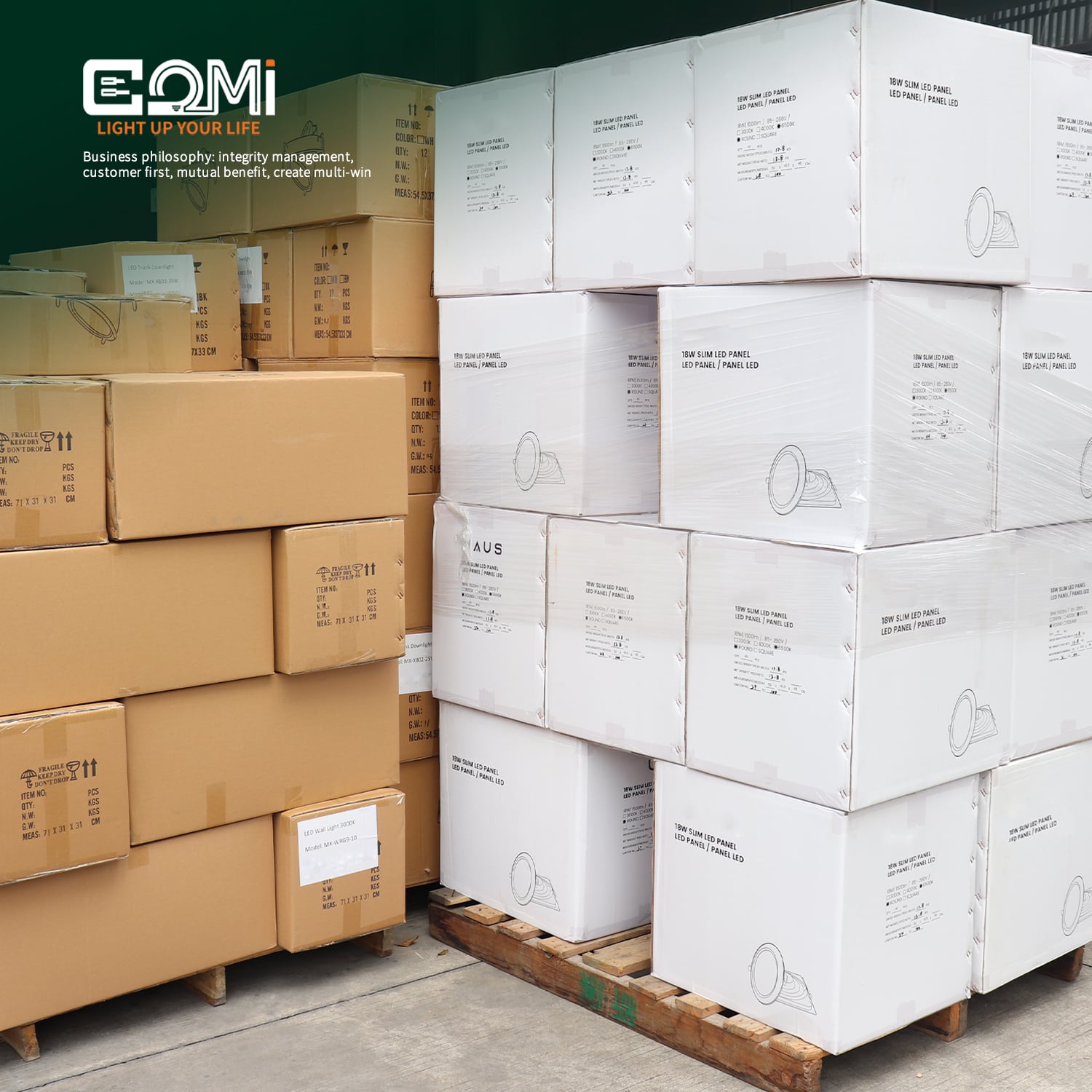
Ausgangsprozess: „Überprüfung“ von Dokumenten und Waren
Zusammen mit dem Lagerverwalter prüfe ich die Mengen anhand des Einlagerungsprotokolls und stelle sicher, dass Produktionslogbücher und Qualitätsberichte übereinstimmen. Nach Bestätigung werden die Daten in das System eingegeben. Dieser Schritt gewährleistet die Übereinstimmung zwischen Aufzeichnungen und physischen Waren, verhindert Versandfehler oder Auslassungen und schafft eine solide Grundlage für die anschließende Lieferung.

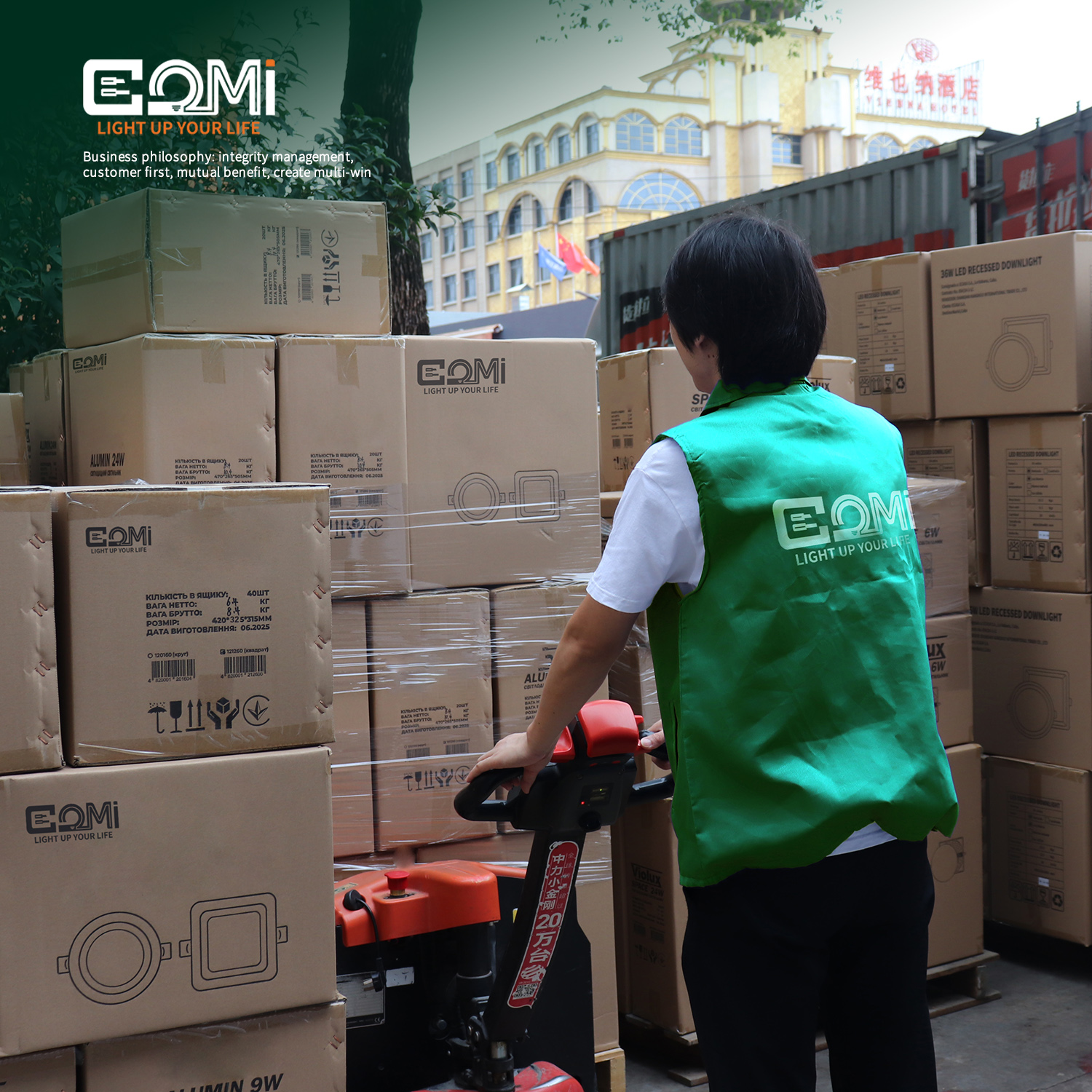
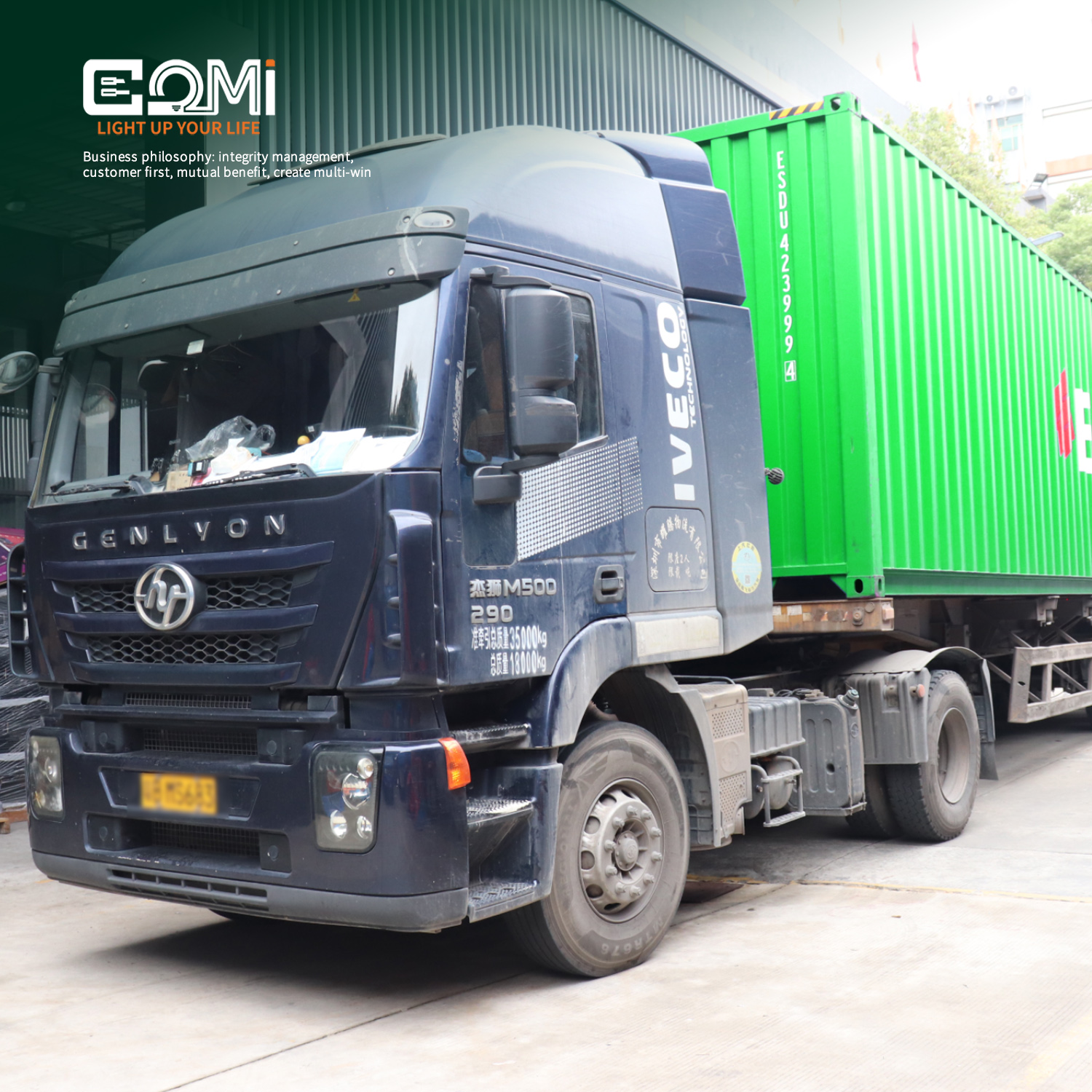
Logistik: „Garantierte“ Lieferung
Das Logistikteam nimmt die Ware mit einem Lieferschein entgegen. Wir aus der Werkstatt unterstützen bei der Überprüfung von Modellen und Mengen und helfen dabei, die Verpackung zu verstärken, um Transportschäden zu vermeiden. Der Lieferschein enthält den Rückverfolgbarkeitscode, sodass Kunden die Angaben bei Erhalt schnell überprüfen können, was eine lückenlose Qualitätskontrolle vom Werk bis zum Kunden sicherstellt.

ISO9001 ist niemals nur ein Zertifikat an der Wand – es ist in den praktischen Nutzen eingebettet, Materialien zu verifizieren, Erstmuster zu prüfen und sorgfältig Buch zu führen. Jeder standardisierte Schritt wird unternommen, um sicherzustellen, dass unsere Produkte einer Prüfung standhalten und den Kunden Sicherheit geben.