모든 카테고리

ISO9001 품질 시스템 하의 우리의 일상 업무

2025-12-02

저는 공장에서 일하는 노저우입니다. 저는 5년 동안 LED 가로등을 조립해 왔습니다. 사람들은 자주 ISO9001이 그냥 '형식적일 뿐'인지 묻곤 합니다. 저는 늘 제 앞의 작업 공정을 가리킵니다—자재 수급부터 출하까지, 모든 단계가 표준을 따릅니다. 이것이 바로 우리 일상입니다.
Our Daily Work Under the ISO9001 Quality System-1

자재 수급: 자재에는 '증명서'가 함께 제공됩니다
자재 입고를 위해 자재 요청 양식을 가지고 창고로 갑니다. 각 자재는 원산지 배치와 검사 기록을 함께 제공받으며, 코드를 스캔하면 적격성 보고서를 확인할 수 있습니다. 이후 창고 관리자와 함께 서명하여 책임 소재를 명확히 합니다. 이 단계의 목적은 부적합 자재가 생산 라인에 투입되는 것을 원천적으로 방지하는 것이며, ISO9001의 '추적성(Traceability)' 요구사항을 핵심적으로 반영한 것입니다.
Our Daily Work Under the ISO9001 Quality System-2

작업 시작: 대량 생산 전 첫 번째 샘플 승인
먼저 작업 지시서에 따라 장비 파라미터를 조정한 후 품질 관리 검사를 위한 샘플을 하나 제작합니다. 샘플이 모든 기준을 충족하고, 성능 시험을 통과하며 승인 서명을 받은 후에야 본격적인 대량 생산을 시작합니다. 이를 통해 장비나 공정상의 문제를 조기에 발견하여 대규모 재작업을 방지할 수 있습니다. 이는 품질 리스크를 예방하는 핵심적인 단계입니다.
Starting Work: First Sample Approved Before Mass Production

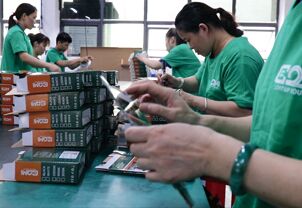
생산: 각 공정 단계별로 '기록'을 유지
조립 과정 전반에 걸쳐 저는 표준화된 절차를 따릅니다. 각 단계를 완료한 후에는 실시간으로 확인하고 기록합니다. 사소한 문제가 발생하면 즉시 수정 조치를 취하고 그 원인을 기록합니다. 품질 관리팀은 정기적으로 샘플 검사를 수행하며, 기술 부서는 또한 우리 현장에서 제안하는 실용적인 의견을 반영하여 공정 최적화를 추진합니다. 이러한 방식은 생산 과정을 명확히 기록할 뿐만 아니라 작업 효율성도 지속적으로 개선합니다.
me—from collecting materials to shipping, every step follows a standard. This is our daily routine.  Our Daily Work Under the ISO9001 Quality System-1  Material Collection: Materials Come with "Proof" I go to the warehouse with a Material Requisition Form. Each material comes with its source batch and inspection records—scanning the code pulls up the qualification report. I sign off with the warehouse keeper to clarify responsibility. The purpose of this step is to prevent non-conforming materials from entering the production line at the source, and it’s a core reflection of the ISO9001 requirement for "traceability."  Our Daily Work Under the ISO9001 Quality System-2  Starting Work: First Sample Approved Before Mass Production First, I adjust the equipment parameters according to the work instructions and make one sample for quality control inspection. Batch production only begins after the sample meets all parameters, passes performance tests, and gets signed off. Doing this helps identify equipment or process issues early, avoiding large-scale rework. It’s a key step in preventing quality risks.  Starting Work: First Sample Approved Before Mass Production  Production: Keeping "Records" for Each Step

품질 검사: "출고" 전 승인
완제품은 최종 검사를 거쳐야 합니다. 합격한 제품에는 고유한 추적 가능 코드가 부여되어 보관되며, 불합격 제품은 격리하여 재작업 후 다시 검사합니다. 이 추적 가능 코드는 전 공정 정보와 연결되어 고객에게 인도되는 모든 조명 제품이 기준을 충족함을 보장합니다. 설령 문제가 발생하더라도 근본 원인을 신속하게 추적할 수 있습니다.
me—from collecting materials to shipping, every step follows a standard. This is our daily routine.  Our Daily Work Under the ISO9001 Quality System-1  Material Collection: Materials Come with "Proof" I go to the warehouse with a Material Requisition Form. Each material comes with its source batch and inspection records—scanning the code pulls up the qualification report. I sign off with the warehouse keeper to clarify responsibility. The purpose of this step is to prevent non-conforming materials from entering the production line at the source, and it’s a core reflection of the ISO9001 requirement for "traceability."  Our Daily Work Under the ISO9001 Quality System-2  Starting Work: First Sample Approved Before Mass Production First, I adjust the equipment parameters according to the work instructions and make one sample for quality control inspection. Batch production only begins after the sample meets all parameters, passes performance tests, and gets signed off. Doing this helps identify equipment or process issues early, avoiding large-scale rework. It’s a key step in preventing quality risks.  Starting Work: First Sample Approved Before Mass Production  Production: Keeping "Records" for Each Step Throughout assembly, I follow the standardized procedures. After completing each step, I check it off in real-time and record it. If minor issues arise, I fix them immediately and note the reason. Quality control conducts regular spot checks, and the technical department also incorporates practical suggestions from us for process optimization. This approach not only documents the production process clearly but also continuously improves workflow efficiency.  me—from collecting materials to shipping, every step follows a standard. This is our daily routine.  Our Daily Work Under the ISO9001 Quality System-1  Material Collection: Materials Come with "Proof" I go to the warehouse with a Material Requisition Form. Each material comes with its source batch and inspection records—scanning the code pulls up the qualification report. I sign off with the warehouse keeper to clarify responsibility. The purpose of this step is to prevent non-conforming materials from entering the production line at the source, and it’s a core reflection of the ISO9001 requirement for "traceability."  Our Daily Work Under the ISO9001 Quality System-2  Starting Work: First Sample Approved Before Mass Production First, I adjust the equipment parameters according to the work instructions and make one sample for quality control inspection. Batch production only begins after the sample meets all parameters, passes performance tests, and gets signed off. Doing this helps identify equipment or process issues early, avoiding large-scale rework. It’s a key step in preventing quality risks.  Starting Work: First Sample Approved Before Mass Production  Production: Keeping "Records" for Each Step  Quality Inspection: Approval Before "Release"

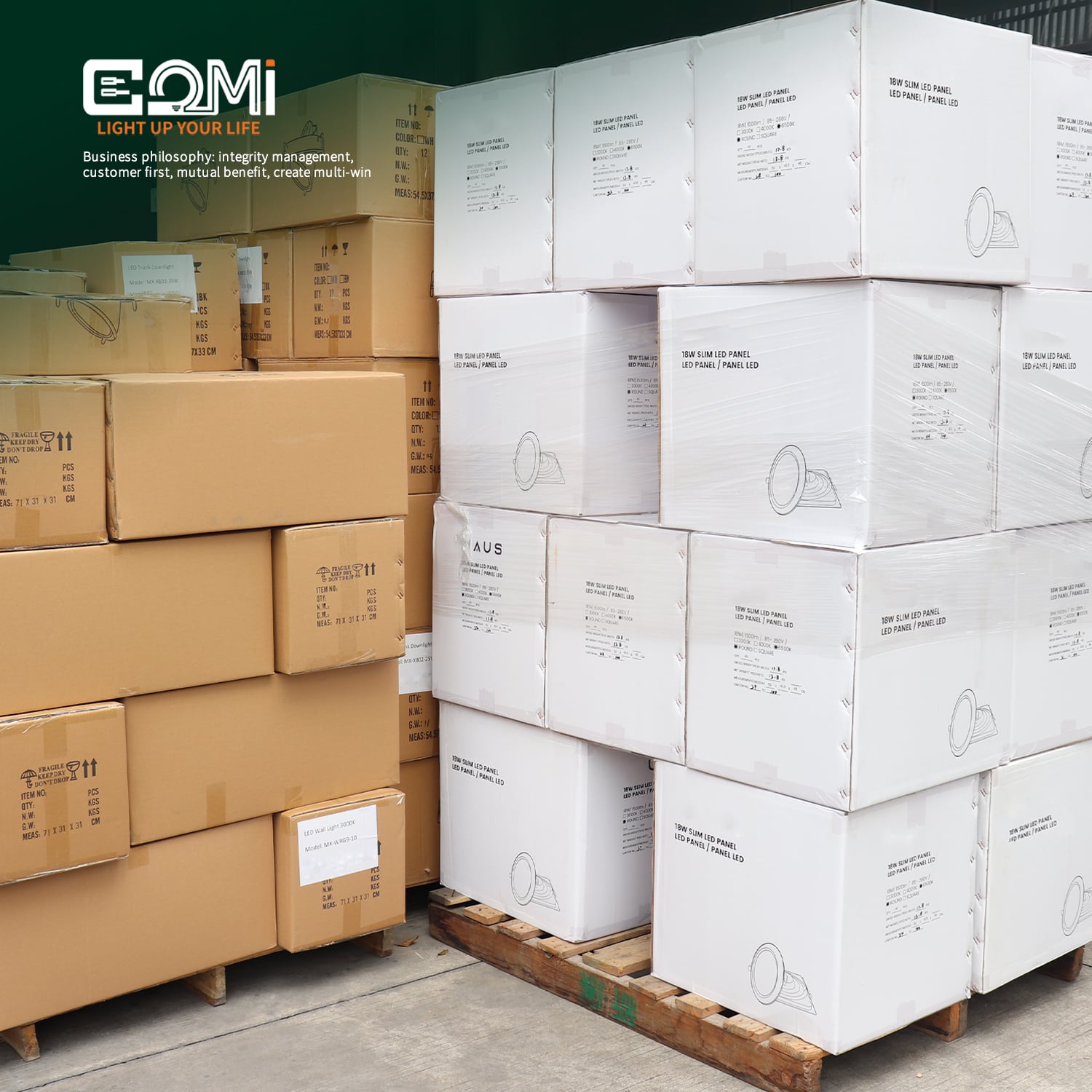
출고 프로세스: 기록과 물품의 "검증"
창고 관리원과 함께 보관 입고 기록서상의 수량을 확인하고, 생산 로그 및 품질 보고서가 일치하는지 검증합니다. 확인 후 시스템에 데이터를 입력하며, 이를 통해 기록과 실물 재고 간의 일관성을 확보하여 출하 오류나 누락을 방지하고 이후 배송 과정의 견고한 기반을 마련합니다.

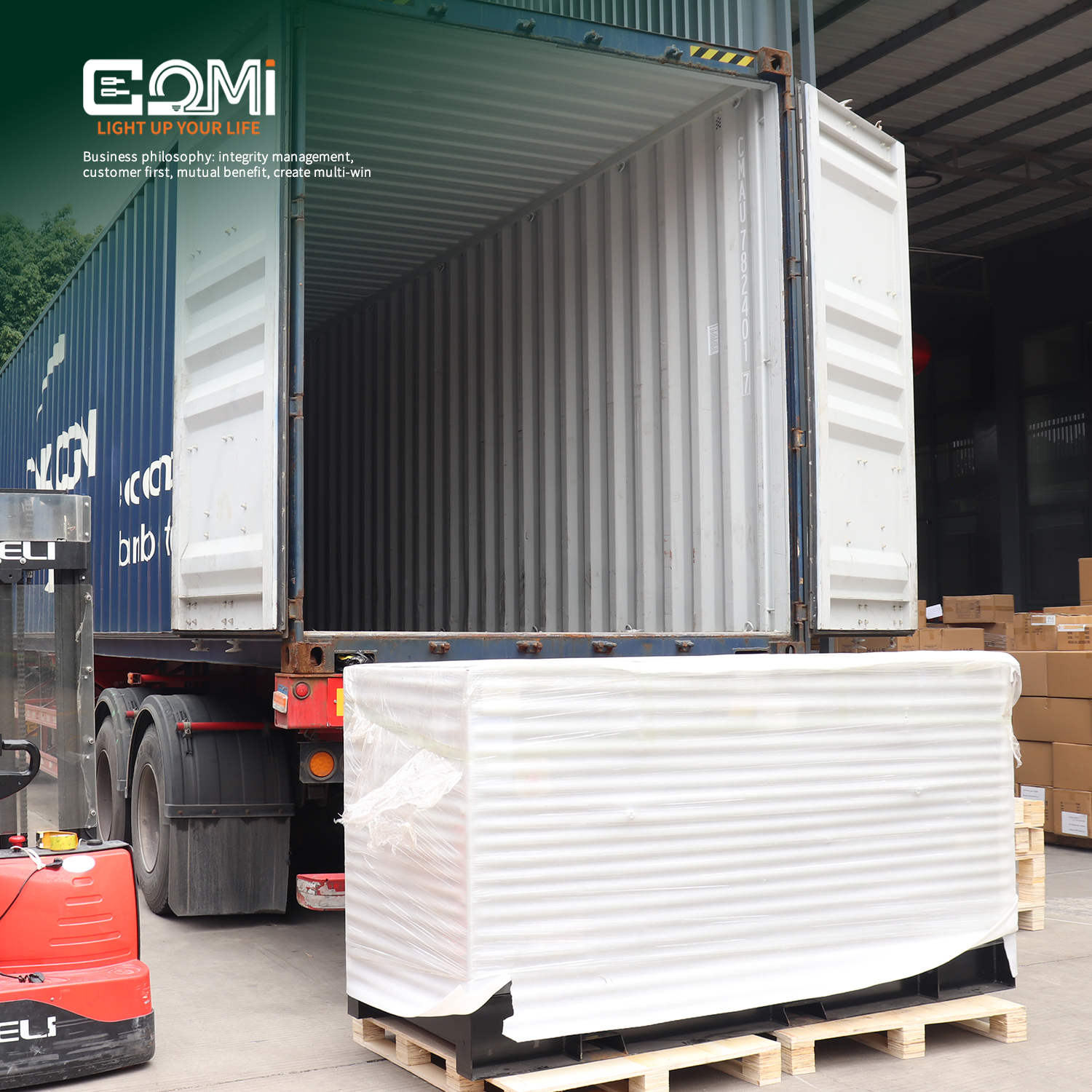
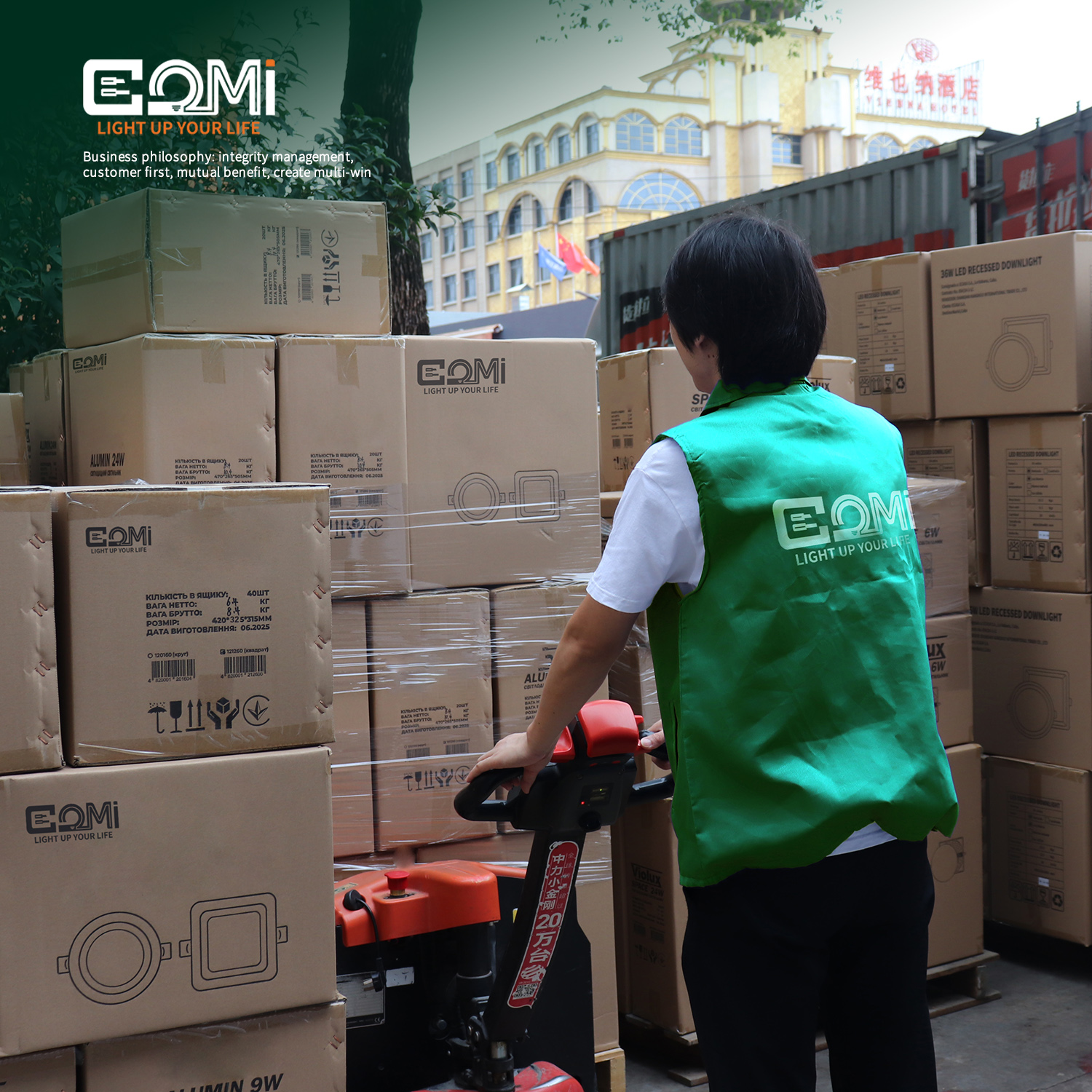
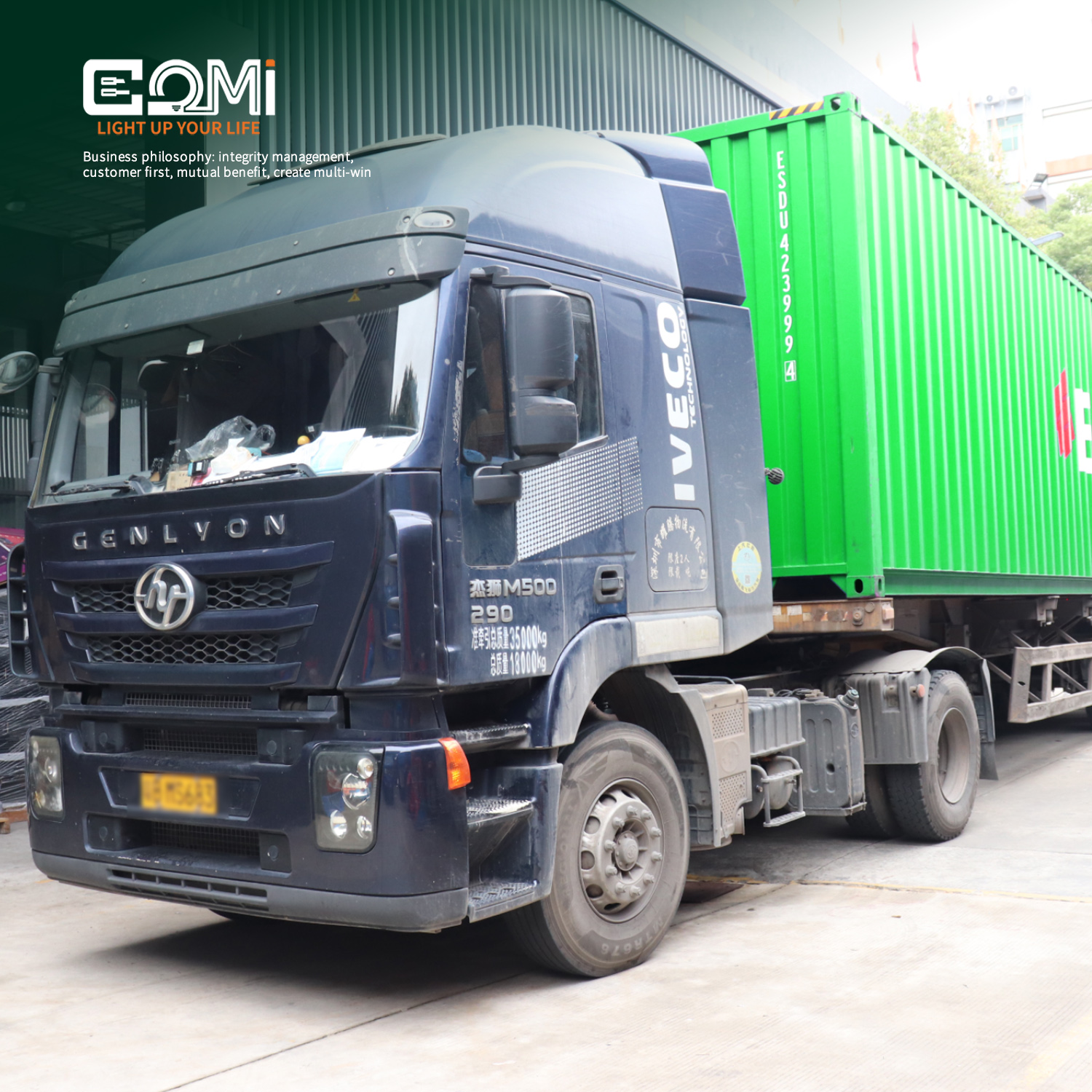
물류: '보장된' 배송
물류팀은 출하 지시서와 함께 물품을 수거합니다. 저희 작업장 직원은 모델과 수량을 검증하고, 운송 중 손상을 방지하기 위해 포장 강화를 도와줍니다. 출하 지시서에는 추적 코드가 포함되어 있어 고객이 수령 시 세부 정보를 신속하게 확인할 수 있으며, 공장에서 고객까지의 전 과정에 걸친 품질 관리를 보장합니다.

ISO9001은 결코 벽에 걸린 증서에 불과하지 않습니다. 이는 원자재 검증, 초기 샘플 검사 및 철저한 기록 관리라는 실질적인 가치 속에 내재되어 있습니다. 당사의 제품이 엄격한 심사를 통과하여 고객에게 안심을 제공할 수 있도록 모든 표준화된 절차가 철저히 이행됩니다.