Alle categorieën

Ons dagelijks werk onder het ISO9001-kwaliteitssysteem

2025-12-02

Ik ben Oude Zhou uit de werkplaats en ik monteer al vijf jaar LED-straatverlichting. Mensen vragen vaak of ISO9001 alleen maar 'voor de show' is. Ik wijs dan altijd naar de werkvloer voor me — vanaf het verzamelen van materialen tot verzending, elke stap volgt een standaard. Dit is onze dagelijkse routine.
Our Daily Work Under the ISO9001 Quality System-1

Materiaalverzameling: Materialen komen met 'bewijs'
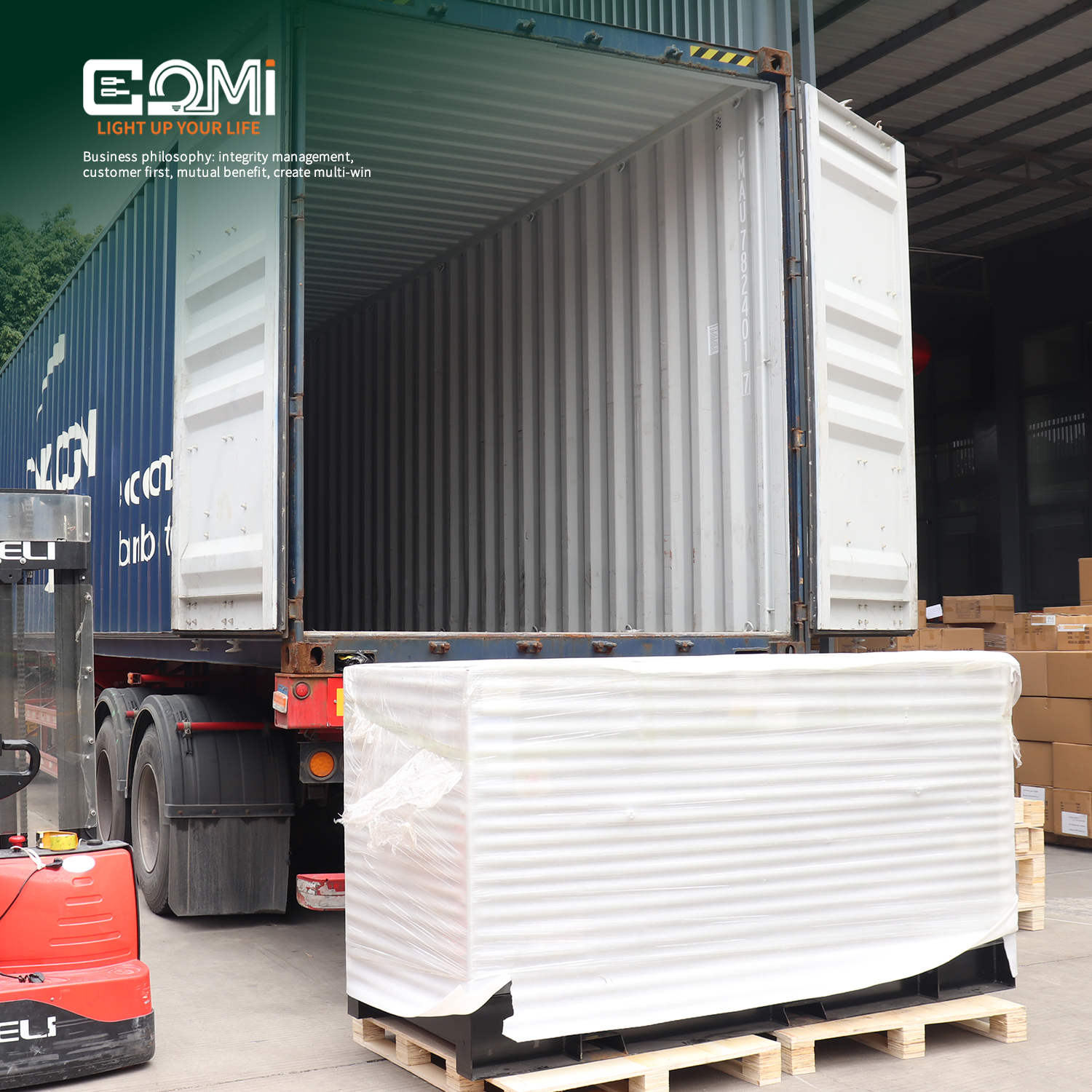
Ik ga naar het magazijn met een materiaalreserveringsformulier. Elk materiaal wordt geleverd met zijn bronbatch en inspectieverslagen—het scannen van de code toont het kwalificatierapport. Ik teken samen met de magazijnbeheerder om de verantwoordelijkheid duidelijk te maken. Het doel van deze stap is om ervoor te zorgen dat niet-conforme materialen vanaf het begin worden tegengehouden voordat ze de productielijn bereiken, wat een kernaspect is van de ISO9001-eis voor 'traceerbaarheid'.
Our Daily Work Under the ISO9001 Quality System-2

Aanvangen van werk: Eerste monster goedgekeurd voor massaproductie
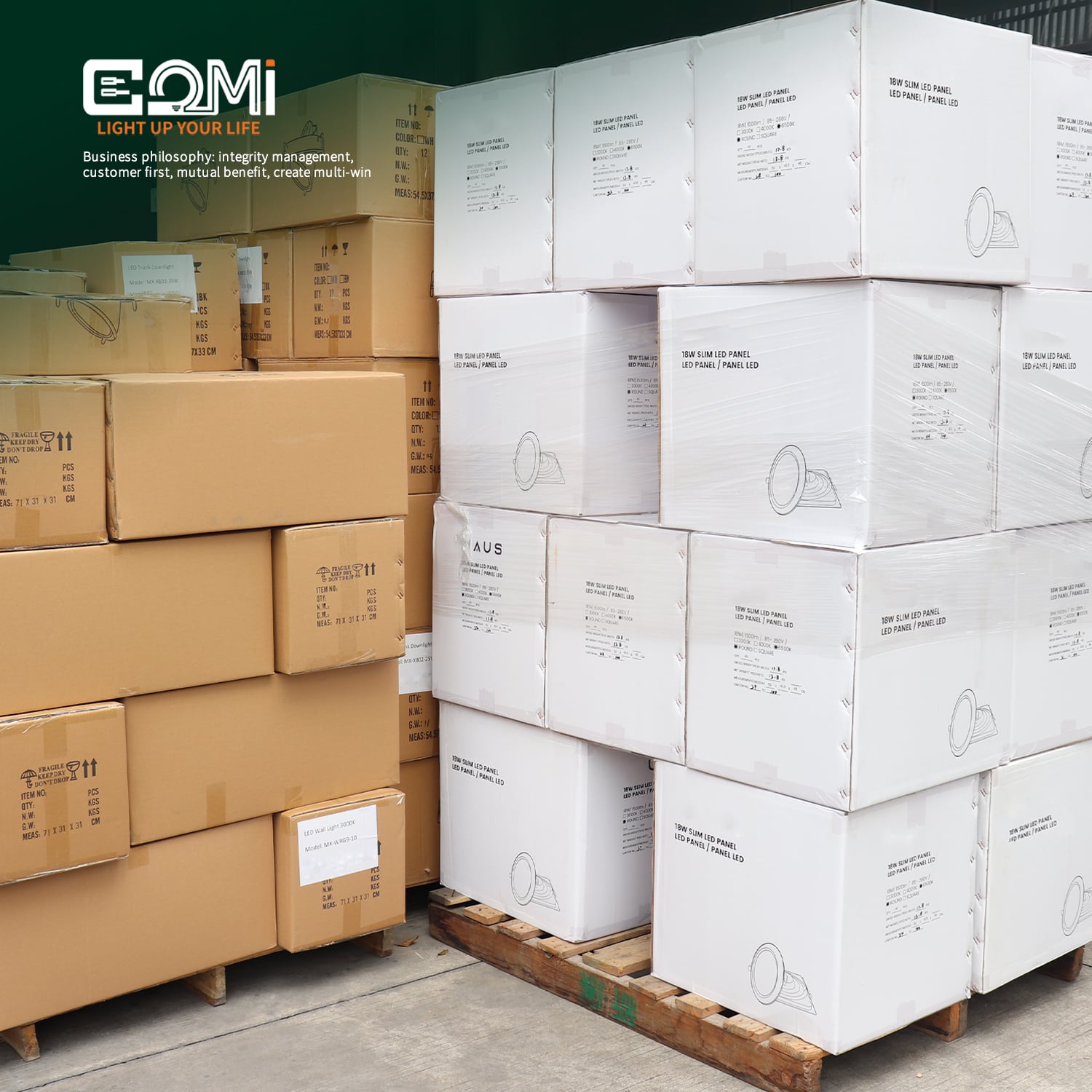
Eerst stel ik de machineparameters in overeenkomst met de werkvoorschriften en maak ik één monster voor inspectie door de kwaliteitscontrole. Pas nadat het monster voldoet aan alle parameters, de prestatietests heeft doorstaan en is goedgekeurd, begint de serieproductie. Dit helpt om vroegtijdig problemen met apparatuur of processen te detecteren en grote hoeveelheden herwerkingswerk te voorkomen. Het is een cruciale stap bij het voorkomen van kwaliteitsrisico's.
Starting Work: First Sample Approved Before Mass Production

Productie: Bijhouden van 'verslagen' voor elke stap
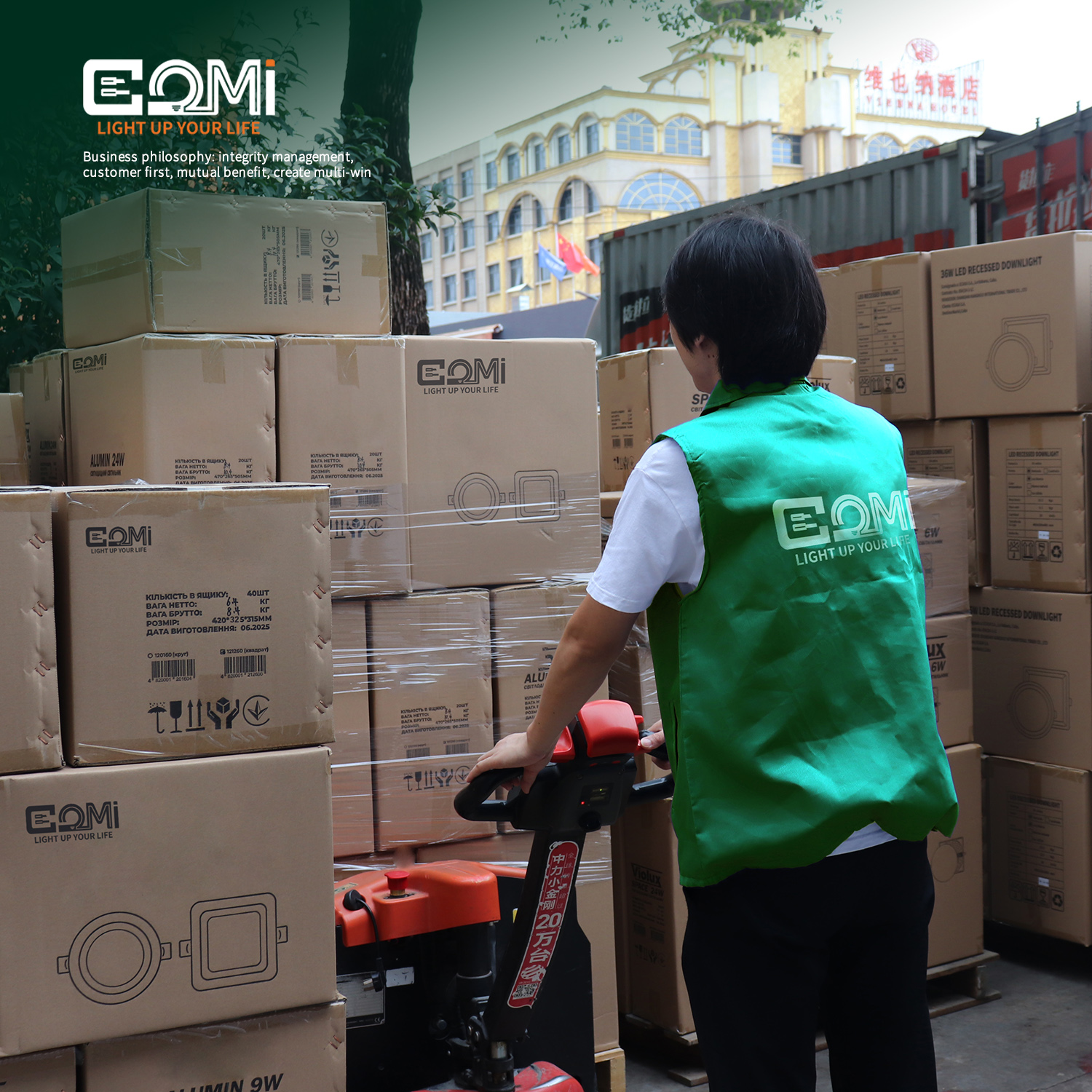
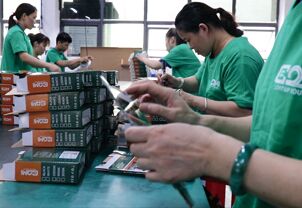
Tijdens de montage volg ik de genormaliseerde procedures. Na het voltooien van elke stap, streep ik deze direct door en registreer ik dit. Als er kleine problemen ontstaan, los ik deze onmiddellijk op en noteer ik de reden. De kwaliteitscontrole voert regelmatig steekproeven uit, en de technische afdeling verwerkt ook praktische suggesties van ons om het proces te optimaliseren. Deze aanpak zorgt niet alleen voor een duidelijke documentatie van het productieproces, maar verbetert ook continu de efficiëntie van de werkstroom.
me—from collecting materials to shipping, every step follows a standard. This is our daily routine.  Our Daily Work Under the ISO9001 Quality System-1  Material Collection: Materials Come with "Proof" I go to the warehouse with a Material Requisition Form. Each material comes with its source batch and inspection records—scanning the code pulls up the qualification report. I sign off with the warehouse keeper to clarify responsibility. The purpose of this step is to prevent non-conforming materials from entering the production line at the source, and it’s a core reflection of the ISO9001 requirement for "traceability."  Our Daily Work Under the ISO9001 Quality System-2  Starting Work: First Sample Approved Before Mass Production First, I adjust the equipment parameters according to the work instructions and make one sample for quality control inspection. Batch production only begins after the sample meets all parameters, passes performance tests, and gets signed off. Doing this helps identify equipment or process issues early, avoiding large-scale rework. It’s a key step in preventing quality risks.  Starting Work: First Sample Approved Before Mass Production  Production: Keeping "Records" for Each Step

Kwaliteitsinspectie: Goedkeuring vóór "afgifte"
Afgeronde producten moeten een eindinspectie ondergaan. Goedgekeurde exemplaren worden voorzien van een unieke traceerbaarheidscode en opgeslagen; afwijkingen worden geïsoleerd voor herwerking en daarna opnieuw geïnspecteerd. De traceerbaarheidscode is gekoppeld aan informatie over het volledige proces, zodat gewaarborgd is dat elk bij de klant geleverde armatuur aan de gestelde eisen voldoet. Zelfs als er problemen ontstaan, kan de oorzaak snel worden getraceerd.
me—from collecting materials to shipping, every step follows a standard. This is our daily routine.  Our Daily Work Under the ISO9001 Quality System-1  Material Collection: Materials Come with "Proof" I go to the warehouse with a Material Requisition Form. Each material comes with its source batch and inspection records—scanning the code pulls up the qualification report. I sign off with the warehouse keeper to clarify responsibility. The purpose of this step is to prevent non-conforming materials from entering the production line at the source, and it’s a core reflection of the ISO9001 requirement for "traceability."  Our Daily Work Under the ISO9001 Quality System-2  Starting Work: First Sample Approved Before Mass Production First, I adjust the equipment parameters according to the work instructions and make one sample for quality control inspection. Batch production only begins after the sample meets all parameters, passes performance tests, and gets signed off. Doing this helps identify equipment or process issues early, avoiding large-scale rework. It’s a key step in preventing quality risks.  Starting Work: First Sample Approved Before Mass Production  Production: Keeping "Records" for Each Step Throughout assembly, I follow the standardized procedures. After completing each step, I check it off in real-time and record it. If minor issues arise, I fix them immediately and note the reason. Quality control conducts regular spot checks, and the technical department also incorporates practical suggestions from us for process optimization. This approach not only documents the production process clearly but also continuously improves workflow efficiency.  me—from collecting materials to shipping, every step follows a standard. This is our daily routine.  Our Daily Work Under the ISO9001 Quality System-1  Material Collection: Materials Come with "Proof" I go to the warehouse with a Material Requisition Form. Each material comes with its source batch and inspection records—scanning the code pulls up the qualification report. I sign off with the warehouse keeper to clarify responsibility. The purpose of this step is to prevent non-conforming materials from entering the production line at the source, and it’s a core reflection of the ISO9001 requirement for "traceability."  Our Daily Work Under the ISO9001 Quality System-2  Starting Work: First Sample Approved Before Mass Production First, I adjust the equipment parameters according to the work instructions and make one sample for quality control inspection. Batch production only begins after the sample meets all parameters, passes performance tests, and gets signed off. Doing this helps identify equipment or process issues early, avoiding large-scale rework. It’s a key step in preventing quality risks.  Starting Work: First Sample Approved Before Mass Production  Production: Keeping "Records" for Each Step  Quality Inspection: Approval Before "Release"

Uitgaand proces: "Verificatie" van documenten en goederen
Samen met de magazijnhouder controleer ik de hoeveelheden aan de hand van het Inslagregister en verifieer ik of de productielogboeken en kwaliteitsverslagen overeenkomen. Zodra dit bevestigd is, wordt de gegevens in het systeem ingevoerd. Deze stap zorgt voor consistentie tussen administratieve gegevens en fysieke goederen, waardoor verzendfouten of weglatingen worden voorkomen en een solide basis wordt gelegd voor de volgende levering.

Logistiek: "Gegarandeerde" levering
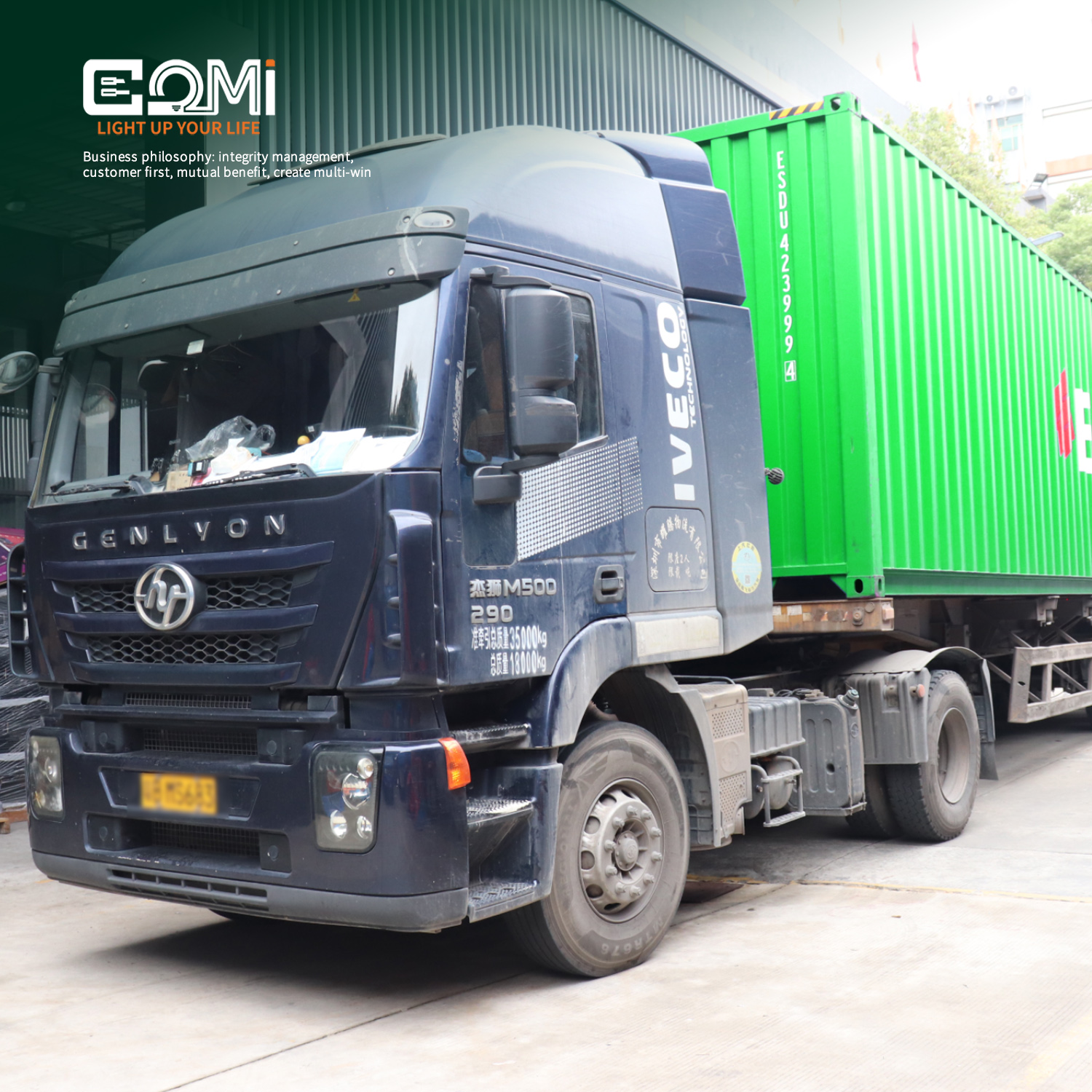
Het logistiekteam haalt de goederen op met een verzendbon. Wij van de werkplaats assisteren bij het controleren van modellen en hoeveelheden en helpen bij het versterken van de verpakking om schade tijdens transport te voorkomen. Op de verzendbon staat de traceerbaarheidscode, zodat klanten snel de details kunnen verifiëren bij ontvangst en zodat kwaliteitscontrole van fabriek tot klant gegarandeerd is.

ISO9001 is nooit zomaar een certificaat aan de muur—het is verankerd in de praktische waarde van het verifiëren van materialen, het inspecteren van eerste samples en zorgvuldig boekhouden. Elke genormde stap wordt ondernomen om ervoor te zorgen dat onze producten kritisch onderzoek doorstaan en klanten gemoedsrust geven.