Todas las categorías

Nuestro Trabajo Diario Bajo el Sistema de Calidad ISO9001

2025-12-02

Soy el viejo Zhou del taller, y he estado ensamblando farolas LED durante cinco años. La gente a menudo pregunta si la ISO9001 es solo "para mostrar". Siempre señalo el flujo de trabajo frente a mí: desde la recogida de materiales hasta el envío, cada paso sigue un estándar. Esta es nuestra rutina diaria.
Our Daily Work Under the ISO9001 Quality System-1

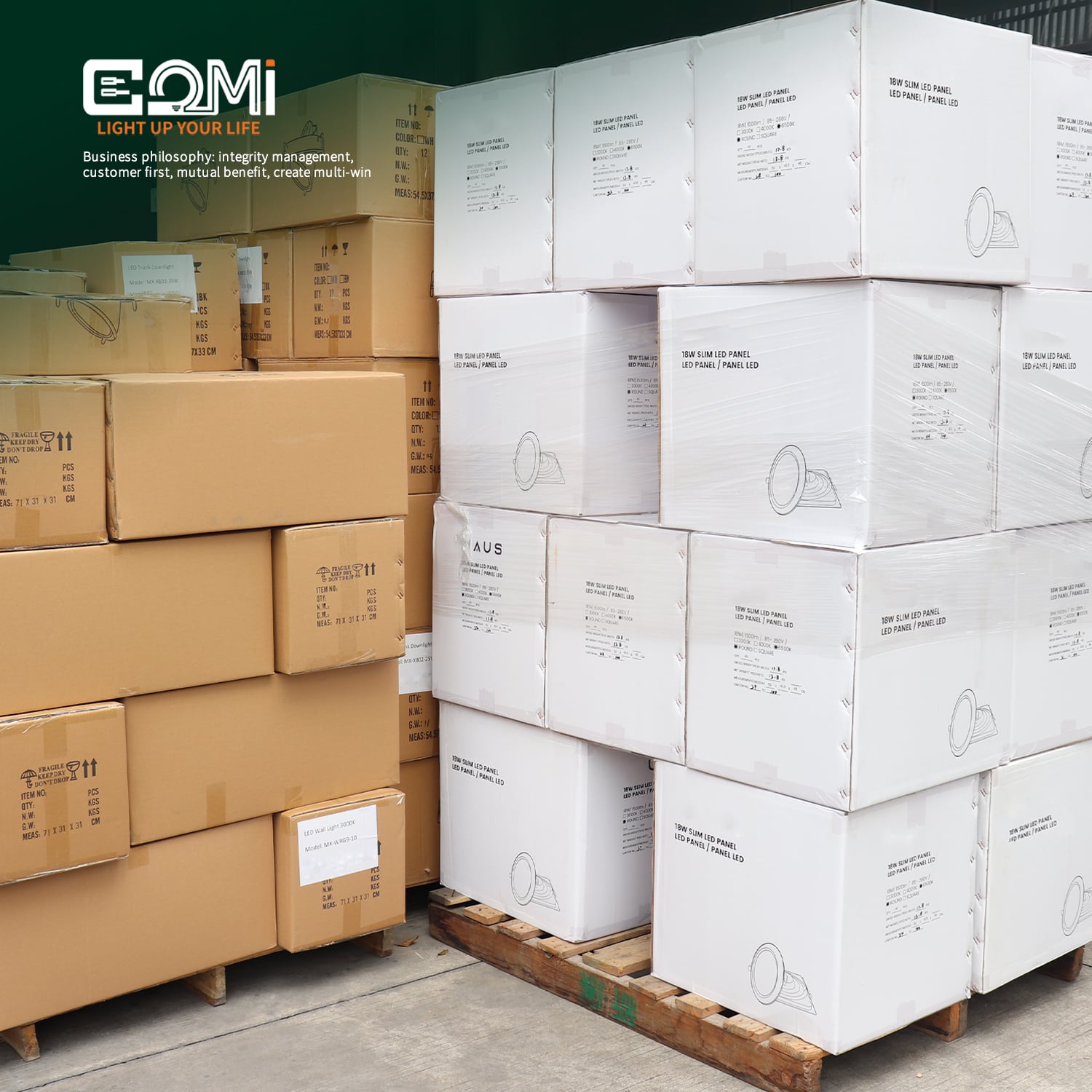
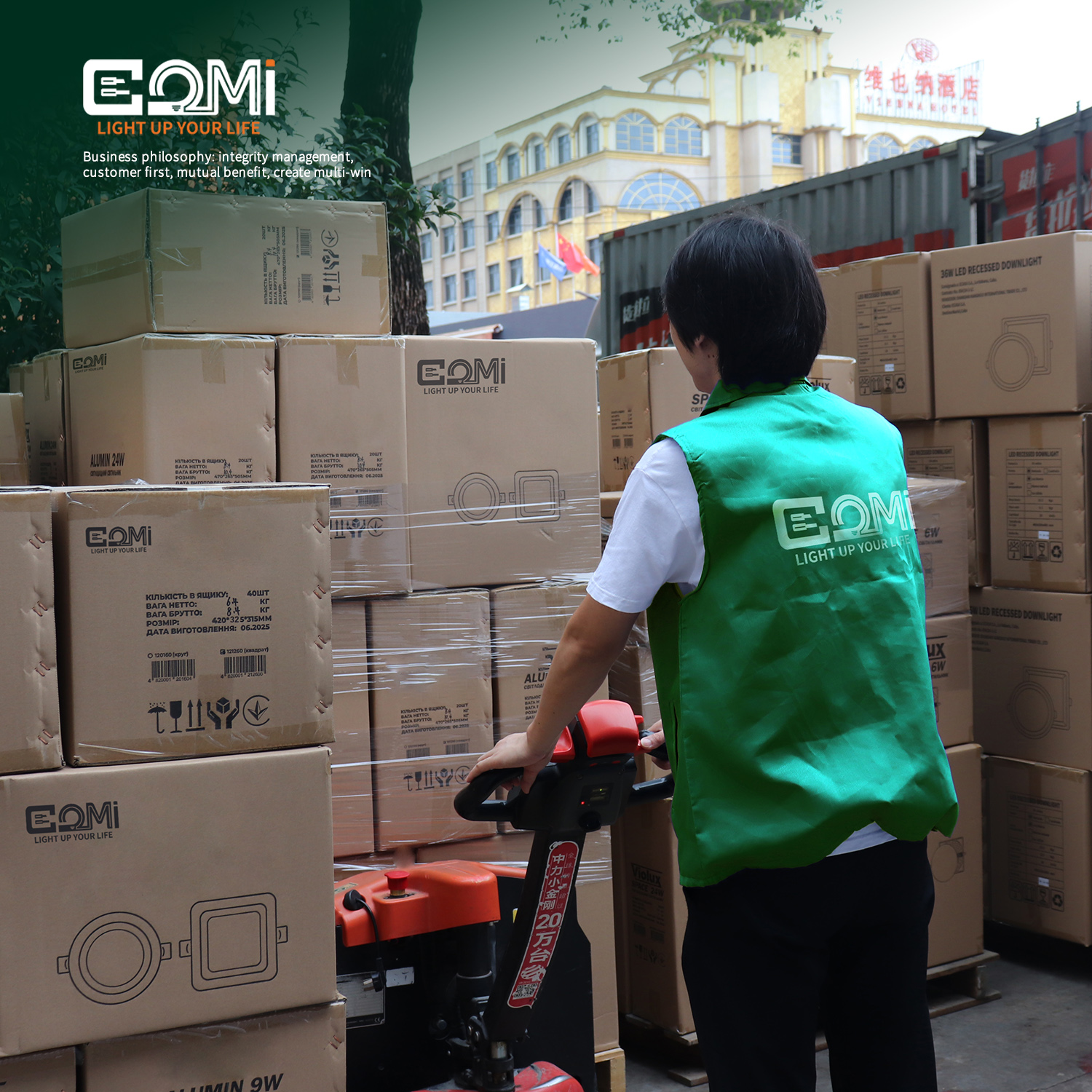
Recogida de Materiales: Los materiales vienen con "documentación"
Voy al almacén con un formulario de requisición de material. Cada material viene con su lote de origen y registros de inspección; al escanear el código se muestra el informe de calificación. Firmo junto con el encargado del almacén para clarificar responsabilidades. El propósito de este paso es evitar que materiales no conformes ingresen a la línea de producción desde la fuente, y refleja un requisito fundamental de la norma ISO9001 sobre "trazabilidad".
Our Daily Work Under the ISO9001 Quality System-2

Inicio del trabajo: Primera muestra aprobada antes de la producción en masa
Primero, ajusto los parámetros del equipo según las instrucciones de trabajo y fabrico una muestra para la inspección de control de calidad. La producción por lotes solo comienza después de que la muestra cumpla todos los parámetros, apruebe las pruebas de rendimiento y sea firmada como aceptada. Hacer esto permite identificar tempranamente problemas en el equipo o proceso, evitando retrabajos a gran escala. Es un paso clave para prevenir riesgos de calidad.
Starting Work: First Sample Approved Before Mass Production

Producción: Llevar "registros" en cada paso
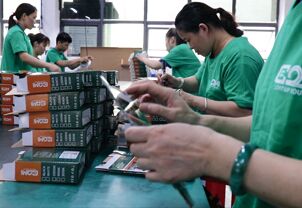
Durante el ensamblaje, sigo los procedimientos estandarizados. Tras completar cada paso, lo marco en tiempo real y lo registro. Si surgen problemas menores, los soluciono inmediatamente y anoto la causa. El control de calidad realiza inspecciones aleatorias periódicas, y el departamento técnico también incorpora nuestras sugerencias prácticas para la optimización del proceso. Este enfoque no solo documenta claramente el proceso de producción, sino que también mejora continuamente la eficiencia del flujo de trabajo.
me—from collecting materials to shipping, every step follows a standard. This is our daily routine.  Our Daily Work Under the ISO9001 Quality System-1  Material Collection: Materials Come with "Proof" I go to the warehouse with a Material Requisition Form. Each material comes with its source batch and inspection records—scanning the code pulls up the qualification report. I sign off with the warehouse keeper to clarify responsibility. The purpose of this step is to prevent non-conforming materials from entering the production line at the source, and it’s a core reflection of the ISO9001 requirement for "traceability."  Our Daily Work Under the ISO9001 Quality System-2  Starting Work: First Sample Approved Before Mass Production First, I adjust the equipment parameters according to the work instructions and make one sample for quality control inspection. Batch production only begins after the sample meets all parameters, passes performance tests, and gets signed off. Doing this helps identify equipment or process issues early, avoiding large-scale rework. It’s a key step in preventing quality risks.  Starting Work: First Sample Approved Before Mass Production  Production: Keeping "Records" for Each Step

Inspección de Calidad: Aprobación Antes del "Liberado"
Los productos terminados deben pasar por una inspección final. Los que cumplen con los requisitos se etiquetan con un código único de trazabilidad y se almacenan; los que no cumplen se aíslan para su reprocesado y posterior reinspección. El código de trazabilidad está vinculado a la información de todo el proceso, garantizando que cada artículo entregado al cliente cumpla con las normas. Incluso si surgen problemas, la causa raíz puede identificarse rápidamente.
me—from collecting materials to shipping, every step follows a standard. This is our daily routine.  Our Daily Work Under the ISO9001 Quality System-1  Material Collection: Materials Come with "Proof" I go to the warehouse with a Material Requisition Form. Each material comes with its source batch and inspection records—scanning the code pulls up the qualification report. I sign off with the warehouse keeper to clarify responsibility. The purpose of this step is to prevent non-conforming materials from entering the production line at the source, and it’s a core reflection of the ISO9001 requirement for "traceability."  Our Daily Work Under the ISO9001 Quality System-2  Starting Work: First Sample Approved Before Mass Production First, I adjust the equipment parameters according to the work instructions and make one sample for quality control inspection. Batch production only begins after the sample meets all parameters, passes performance tests, and gets signed off. Doing this helps identify equipment or process issues early, avoiding large-scale rework. It’s a key step in preventing quality risks.  Starting Work: First Sample Approved Before Mass Production  Production: Keeping "Records" for Each Step Throughout assembly, I follow the standardized procedures. After completing each step, I check it off in real-time and record it. If minor issues arise, I fix them immediately and note the reason. Quality control conducts regular spot checks, and the technical department also incorporates practical suggestions from us for process optimization. This approach not only documents the production process clearly but also continuously improves workflow efficiency.  me—from collecting materials to shipping, every step follows a standard. This is our daily routine.  Our Daily Work Under the ISO9001 Quality System-1  Material Collection: Materials Come with "Proof" I go to the warehouse with a Material Requisition Form. Each material comes with its source batch and inspection records—scanning the code pulls up the qualification report. I sign off with the warehouse keeper to clarify responsibility. The purpose of this step is to prevent non-conforming materials from entering the production line at the source, and it’s a core reflection of the ISO9001 requirement for "traceability."  Our Daily Work Under the ISO9001 Quality System-2  Starting Work: First Sample Approved Before Mass Production First, I adjust the equipment parameters according to the work instructions and make one sample for quality control inspection. Batch production only begins after the sample meets all parameters, passes performance tests, and gets signed off. Doing this helps identify equipment or process issues early, avoiding large-scale rework. It’s a key step in preventing quality risks.  Starting Work: First Sample Approved Before Mass Production  Production: Keeping "Records" for Each Step  Quality Inspection: Approval Before "Release"

Proceso de Salida: "Verificación" de Registros y Mercancías
Junto con el encargado del almacén, verifico las cantidades respecto al Registro de Entrada y compruebo que los registros de producción y los informes de calidad coincidan. Una vez confirmado, los datos se ingresan en el sistema. Este paso garantiza la coherencia entre los registros y los bienes físicos, evitando errores u omisiones en los envíos y sentando una base sólida para la entrega posterior.

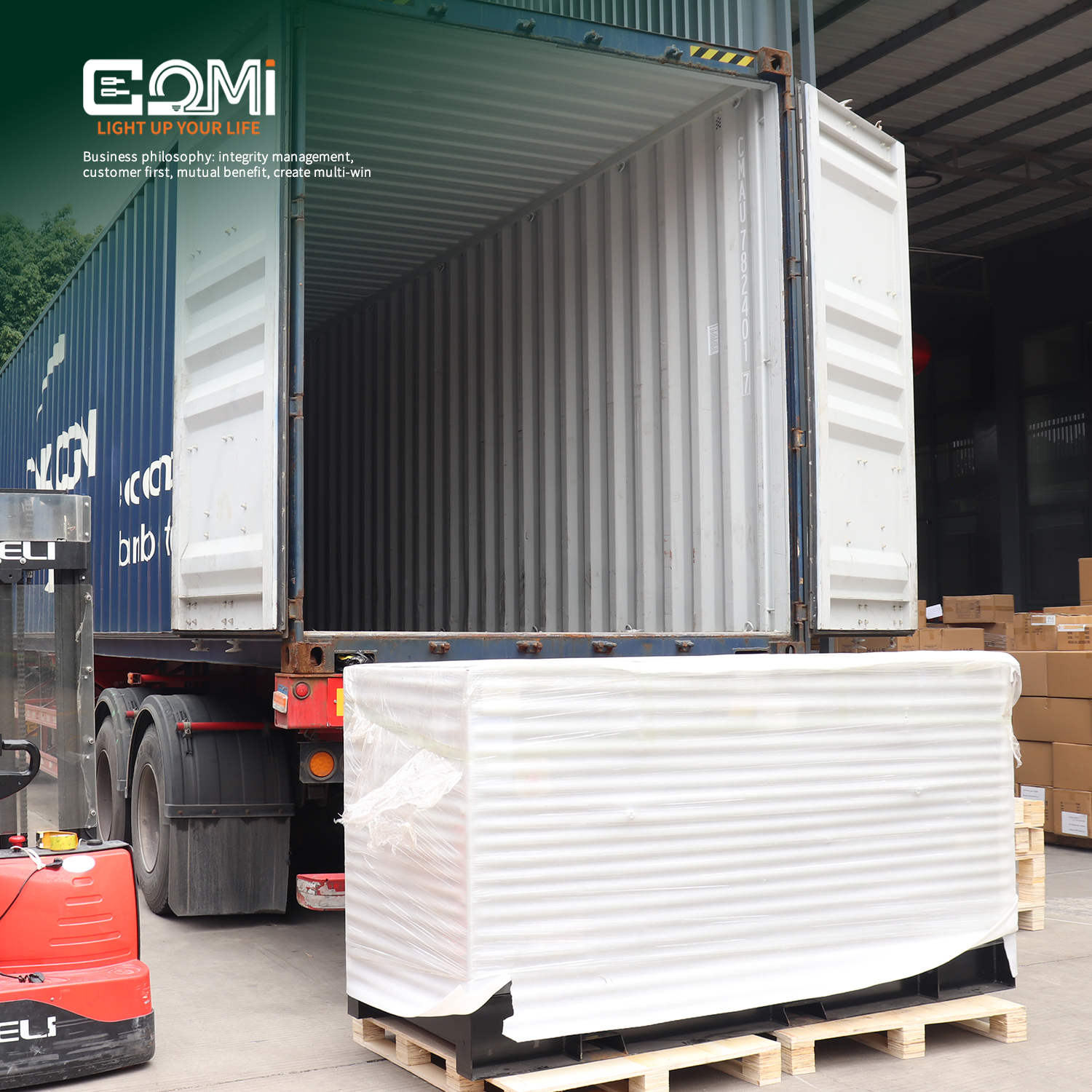
Logística: Entrega "Garantizada"
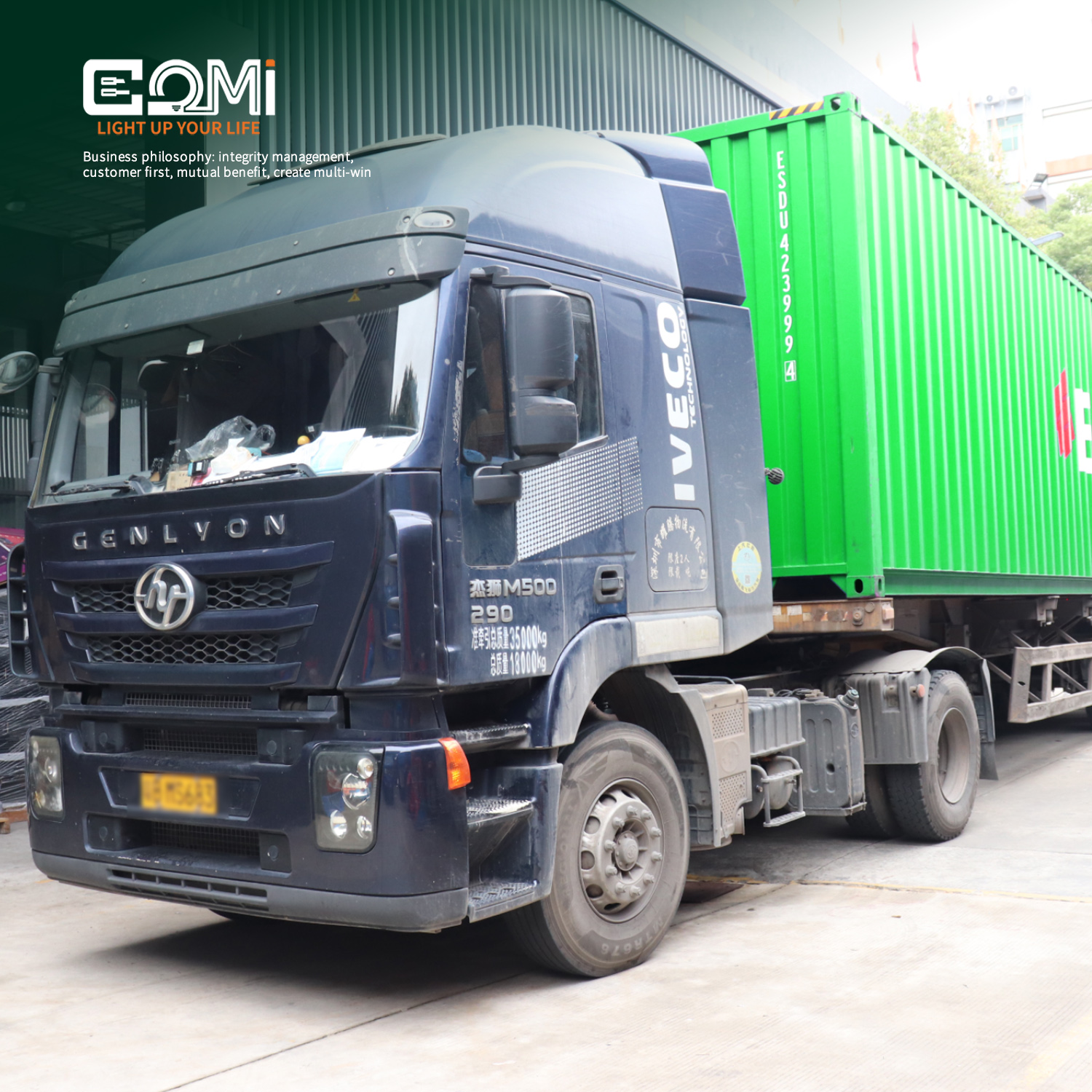
El equipo de logística recoge los productos con una Orden de Envío. Nosotros, del taller, ayudamos a verificar los modelos y cantidades, y colaboramos en reforzar el embalaje para prevenir daños durante el transporte. La orden de envío incluye el código de trazabilidad, lo que permite a los clientes verificar rápidamente los detalles al recibirlos y asegura un control de calidad integral desde la fábrica hasta el cliente.

ISO9001 nunca es solo un certificado en la pared; está integrado en el valor práctico de verificar materiales, inspeccionar las primeras muestras y llevar un registro minucioso. Se toma cada paso estandarizado para garantizar que nuestros productos resistan el escrutinio y brinden tranquilidad a los clientes.